AI Chatbots Evolve From Novelty to Everyday Assistants
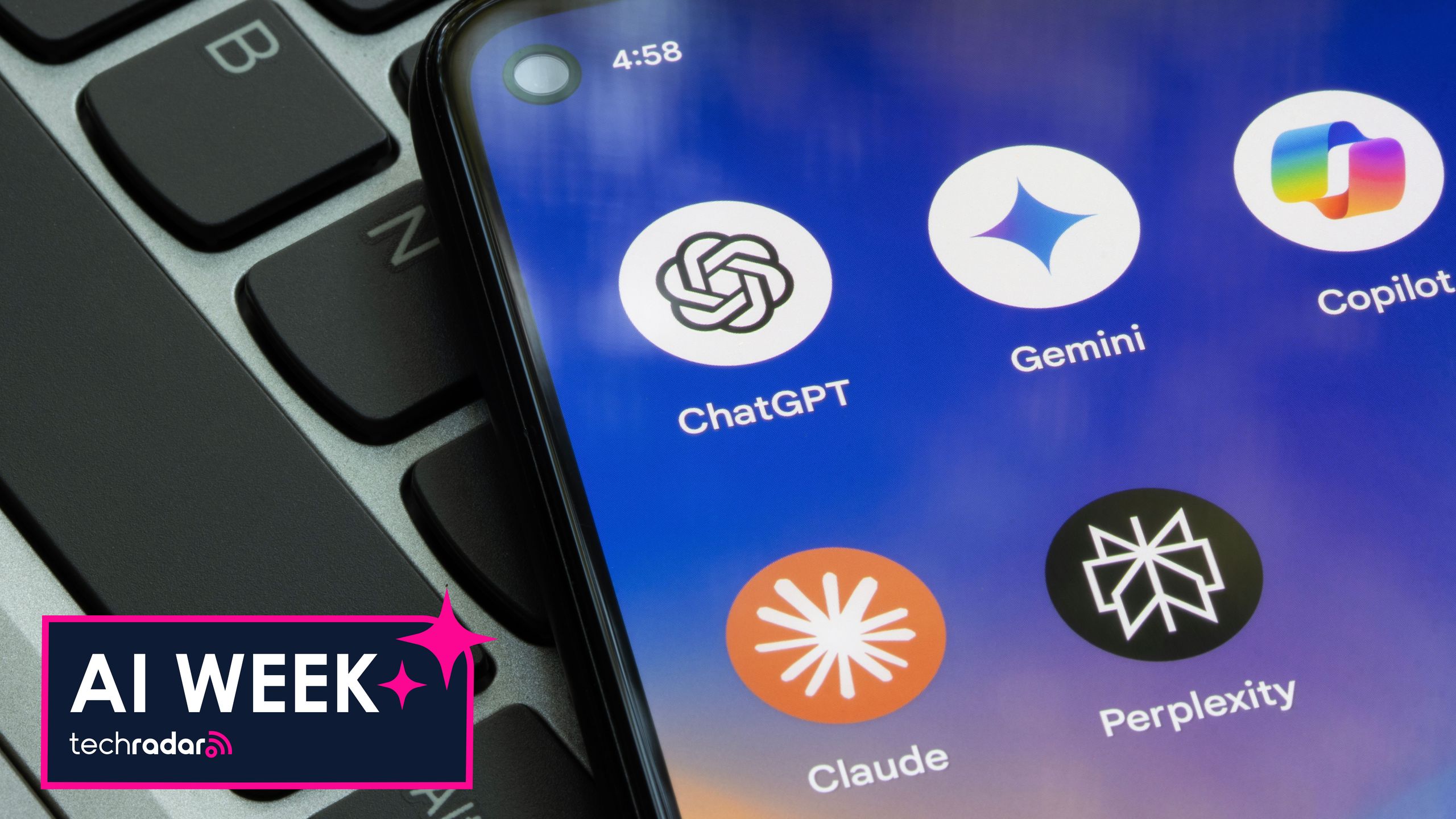
Rise of AI Chatbots
Artificial intelligence has become a pervasive feature across consumer products, and chatbots stand out as the most visible expression of large language models. Early versions were noted for awkward dialogue and image‑generation errors, but rapid improvements have made them indistinguishable from human conversation in many contexts.
Core Capabilities
Today's chatbots excel at rewriting, summarizing, and solving problems. They are frequently used for language translation, legal‑jargon clarification, medical‑term explanation, and everyday tasks such as booking travel or ordering supplies. Their ability to generate code and creative content, like stories or marketing copy, broadens their appeal across professional and personal domains.
Agent Mode and Voice Interaction
Advanced features such as agent mode turn chatbots into background assistants that can execute assigned tasks while users focus on other work. Voice interfaces—named differently across platforms—allow spoken interaction, adding a more natural conversational layer and a variety of voice personalities.
User Adoption and Caution
The convenience and versatility of these tools have driven widespread adoption, yet providers emphasize the risk of hallucinations, where AI fabricates details. Users are advised to verify outputs and follow age‑restriction policies, ensuring that children under a certain age receive parental consent before use.
Future Outlook
As AI chatbots continue to integrate into everyday workflows, they are expected to become even more seamless assistants, balancing powerful functionality with safeguards that maintain trust and reliability.
Usado: News Factory APP - descubrimiento de noticias y automatización - ChatGPT para Empresas