AI Completes Beethoven’s Unfinished Symphony, Raising Questions About the Future of Classical Music
AI Meets Beethoven
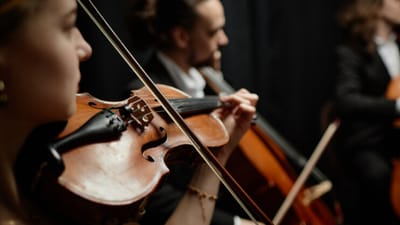
A team of computer scientists, music historians, musicologists, and composers created an artificial‑intelligence system named Beethoven AI. By feeding the system sketches left by Beethoven, along with works that influenced him, the AI learned his compositional style and generated the first movement of the composer’s unfinished tenth symphony. The resulting performance by the Beethoven Orchestra Bonn demonstrated that technology can produce music that sounds as if it were written by the master himself.
Broader Impact on Classical Music
The success of Beethoven AI has ignited a larger discussion about how artificial intelligence is reshaping the classical music world. Digital platforms such as streaming services have already broadened access to historic recordings, while social media enables musicians to reinterpret classic works in contemporary styles. New technologies are also being embraced by major institutions: the Berlin Philharmonic has launched a digital concert hall for on‑demand streaming, and the Philharmonia Orchestra uses virtual reality to place audiences onstage with performers.
Opportunities and Concerns
Proponents argue that AI can improve efficiency, preserve historic pieces, and unlock fresh avenues for performance and education. A study published in the World Journal of Advanced Research and Reviews highlights these benefits, noting that AI can act as an ally for creators willing to integrate it into their artistic process. Conversely, critics warn that AI‑generated music may lack the emotional depth of human expression, raise ethical and legal questions, and threaten the livelihoods of contemporary composers and musicians. A Turkish pianist, AyseDeniz Gokcin, exemplifies this tension by using AI to rearrange iconic works, a practice that some fear could marginalize emerging artistic voices.
Finding a Balance
The conversation ultimately centers on how creators and audiences choose to use these tools. While AI can serve as a powerful extension of human creativity, many believe it will never replace the human touch that conveys nuance and feeling. The future of classical music may depend on a conscious decision to blend technological innovation with the preservation of humanity in artistic expression.
Usado: News Factory APP - descubrimiento de noticias y automatización - ChatGPT para Empresas