Elon Musk Predicts Work May Become Optional as AI Advances
Musk’s Vision of an Optional Workforce
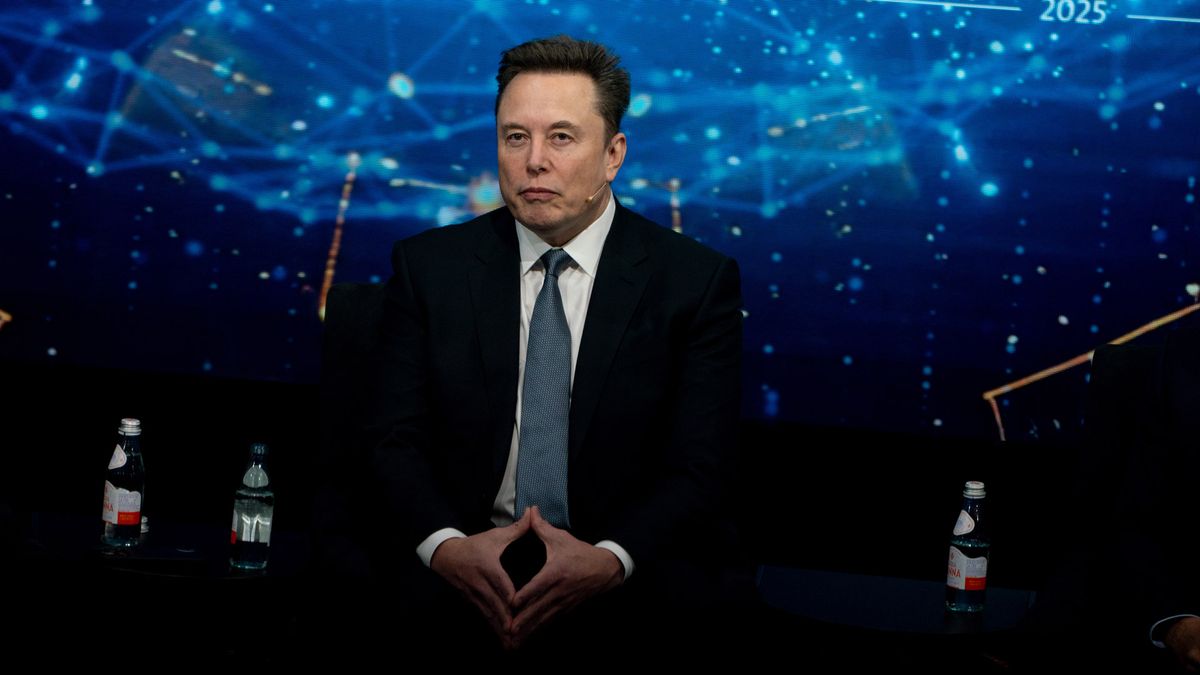
Elon Musk, the CEO of Tesla and SpaceX, addressed a U.S.-Saudi Investment Forum in Washington, D.C., with a striking forecast: artificial intelligence may eventually render work optional. He emphasized that this transformation would not happen immediately, estimating a timeline of ten to twenty years. In Musk’s view, many future tasks could be performed remotely, akin to "playing sports or a video game" from a couch, while others might become hobby‑like pursuits comparable to gardening.
Potential Economic Impact
The entrepreneur linked the rise of AI‑driven automation to a significant reshaping of the job market. He referenced studies that project massive job displacement, citing figures such as 92 million jobs potentially lost by 2030 according to one analysis, and a broader estimate of 300 million jobs worldwide from another source. Musk argued that despite these disruptions, AI could ultimately "eliminate poverty," though he offered no specific roadmap for achieving that outcome.
Constraints and Realities
Musk acknowledged that physical constraints—such as electricity and mass—would continue to limit what machines can accomplish. He also noted that while certain currencies may become less relevant in a highly automated economy, everyday transactions would still rely on existing monetary systems. The discussion highlighted the paradox of predicting a future where work is optional while current economic structures remain entrenched.
Criticism and Context
Observers have pointed out the boldness of Musk’s claim, noting that his track record includes both transformative successes and controversial statements. Critics argue that while Musk’s influence can shape public discourse, his predictions lack concrete policy proposals to support workers facing automation. The absence of a detailed plan for transitioning the labor force has been highlighted as a key concern.
Broader Implications
Musk’s remarks contribute to an ongoing debate about the role of AI in society. The idea that work could become a voluntary activity raises questions about income distribution, social safety nets, and the meaning of employment in a technologically advanced world. As AI continues to evolve, the conversation sparked by Musk’s statements underscores the need for thoughtful consideration of both opportunities and challenges.
Usado: News Factory APP - descubrimiento de noticias y automatización - ChatGPT para Empresas