Google Explores Satellite Data Centers for AI with Project Suncatcher
The Vision Behind Project Suncatcher
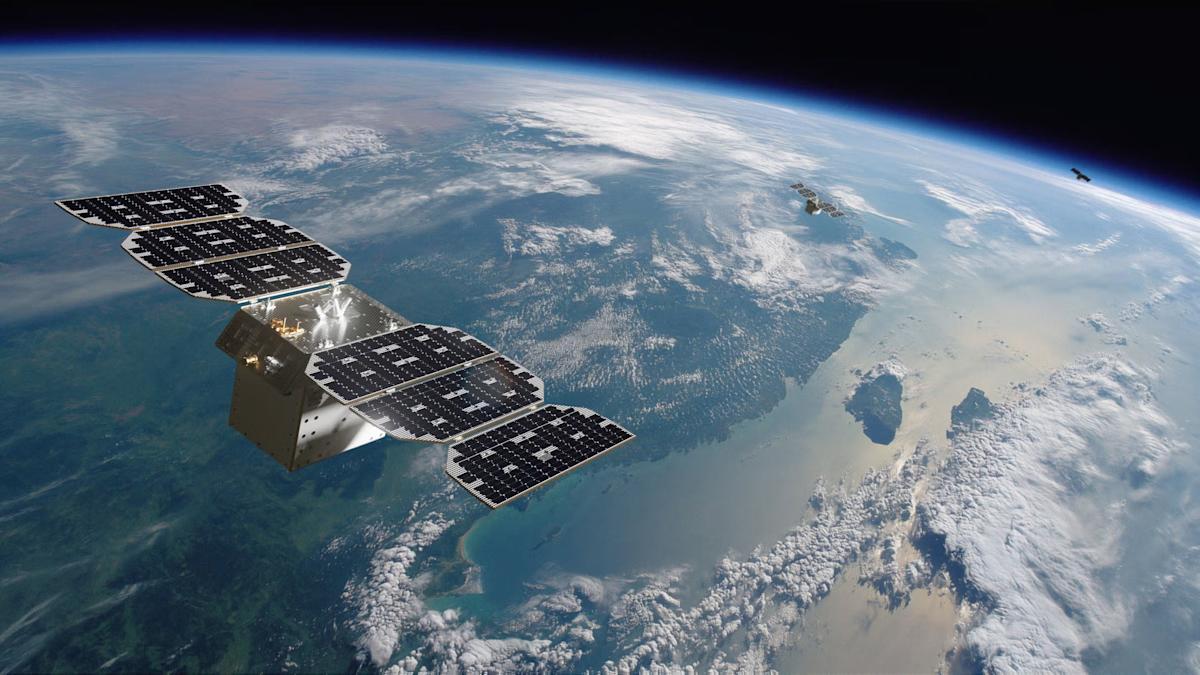
Google is evaluating a moonshot idea that would move power‑hungry AI compute into space. The research effort, named Project Suncatcher, proposes deploying solar‑powered satellites equipped with the company’s Tensor Processing Units (TPUs) into low‑earth orbit. In the right orbit, a solar panel can be up to 8 times more productive than on Earth, delivering near‑continuous power and potentially reducing the need for large battery banks. By harnessing unlimited, clean energy, Google hopes to mitigate the carbon footprint associated with traditional AI cloud computing.
Technical Challenges
Putting AI chips in space presents several engineering obstacles. First, the harsh radiation environment could degrade electronic components, but Google notes that its current TPUs have been tested for radiation tolerance and could survive a five‑year mission without permanent failures. Second, AI workloads demand extremely high‑speed data transfer; inter‑satellite links would need to support tens of terabits per second with low latency. Achieving such speeds over long distances in space requires substantial power, prompting Google to consider arranging satellites in tight formations—potentially within kilometers or less of each other—to reduce the thrust needed for station‑keeping.
Economic Considerations
Cost effectiveness remains a pivotal factor. Google’s analysis indicates that, despite the expense of launching hardware to orbit, the power efficiency of satellite‑based AI compute could be roughly comparable to terrestrial data centers by the mid‑2030s. This projection suggests that the long‑term operational savings from clean, continuous solar power might offset the initial launch and development costs.
Next Steps and Timeline
Project Suncatcher is still in the preliminary research phase. Google has partnered with the space‑imaging firm Planet to conduct a "learning mission" that will launch a pair of prototype satellites by 2027. The mission aims to test how TPUs and AI models perform in the space environment and to validate the use of optical inter‑satellite links for distributed machine‑learning tasks. Successful trials could pave the way for larger constellations of AI‑focused satellites in the future.
Usado: News Factory APP - descubrimiento de noticias y automatización - ChatGPT para Empresas