Neuralink’s Trademark Applications for “Telepathy” and “Telekinesis” Face USPTO Rejection
Background
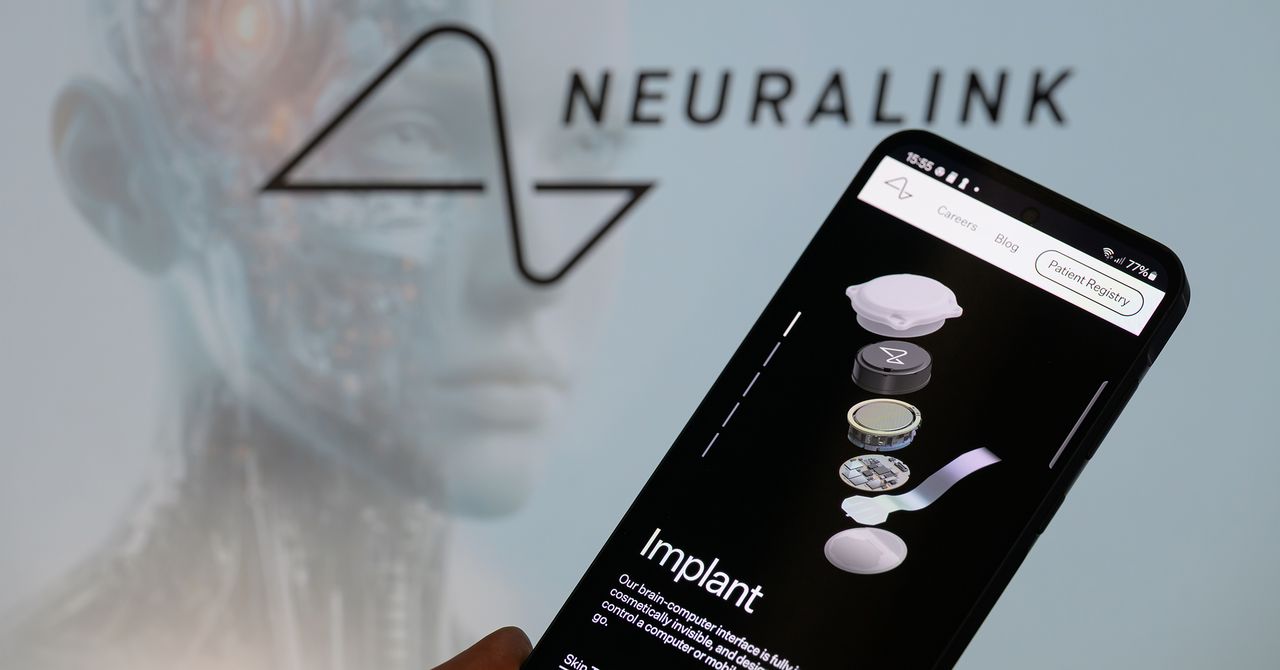
Neuralink, the brain‑implant company co‑founded by Elon Musk, seeks to commercialize a device that reads brain activity and enables users to control phones and computers with thought. The company has been using the name Telepathy to describe its first product and has also introduced the name Telekinesis for a related offering.
USPTO Review and Prior Applications
The United States Patent and Trademark Office (USPTO) issued letters indicating that Neuralink’s trademark applications cannot proceed because other pending applications cover the same marks. The USPTO identified Wesley Berry, a computer scientist and co‑founder of the startup Prophetic, as having filed “intent‑to‑use” applications for Telepathy and Telekinesis before Neuralink. Berry’s filings were accepted for publication, though they are not yet fully registered pending proof of commercial use.
In addition, the USPTO noted an existing trademark for Telepathy Labs, a Tampa‑based company that provides interactive voice and chatbot technology to businesses. The office’s concern centers on whether a typical consumer might confuse Neuralink’s products with those of Telepathy Labs.
Neuralink’s Response
Neuralink replied to the USPTO, arguing that its Telepathy product is unlikely to be confused with the services offered by Telepathy Labs. The company did not directly address Berry’s prior applications in its response. The USPTO will consider Neuralink’s arguments before rendering a final decision on the likelihood of confusion.
Potential Outcomes
If Berry successfully registers the Telepathy and Telekinesis marks, Neuralink could pursue several options. One route would be to purchase the trademarks from Berry. Another possibility is to negotiate a consent agreement that permits both parties to use the marks without causing consumer confusion. Failure to reach an agreement could expose Neuralink to infringement claims should it continue using the contested names.
Trademark attorneys note that the situation is nuanced. While Berry’s earlier filing gives him an advantage, the ultimate determination will depend on how the USPTO evaluates the similarity of the goods and services and the potential for consumer confusion.
Implications for the Industry
The case illustrates the importance of the trademark process for companies developing cutting‑edge technologies. Even firms with high public profiles must navigate existing intellectual‑property rights and ensure that product names do not infringe on earlier filings. The outcome may set a precedent for how emerging neurotechnology firms approach branding and trademark strategy.
Usado: News Factory APP - descubrimiento de noticias y automatización - ChatGPT para Empresas