OpenAI Launches Atlas AI Browser to Center ChatGPT in Web Experience
Overview of Atlas
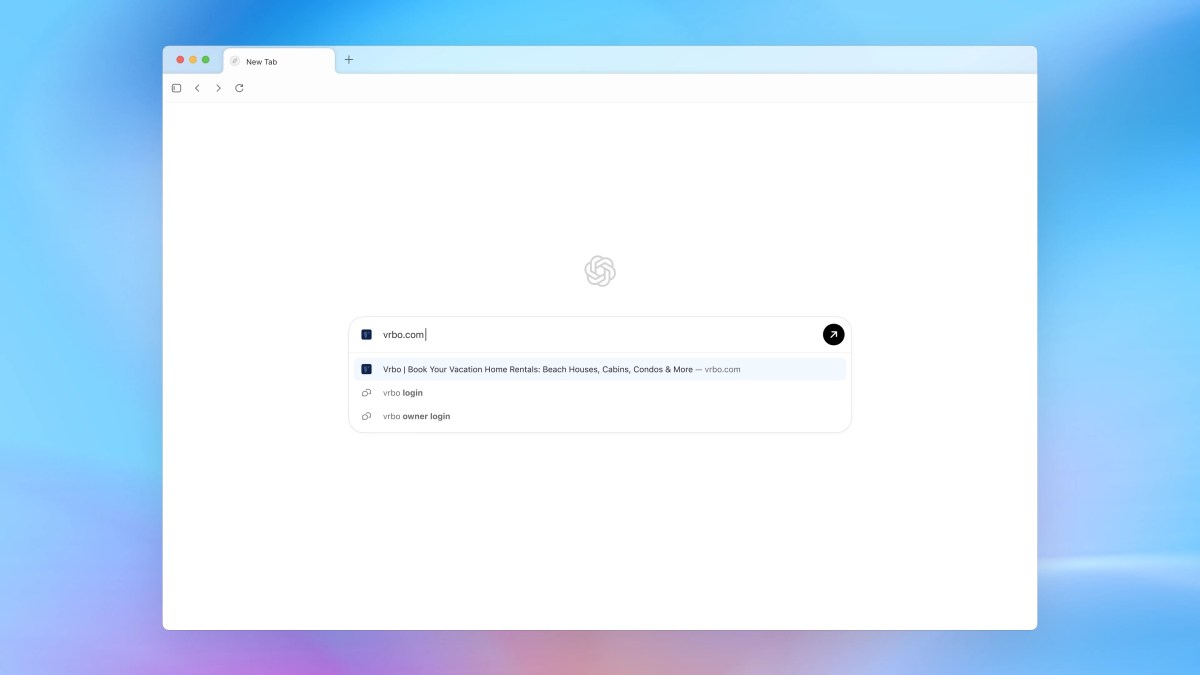
OpenAI unveiled Atlas as an AI‑powered web browser that reimagines how users interact with the internet. The core premise is to make ChatGPT the primary interface for searching and answering, turning the address bar into a conversational portal rather than a traditional query field. Atlas launched on macOS with plans to expand to Windows, iOS, and Android, aligning with the platforms where ChatGPT already operates.
Key Features
Atlas embeds ChatGPT throughout the browsing experience. Users can type natural language prompts directly into the address bar and receive AI‑generated answers instead of a list of links. The browser includes a hovering writing assistant that appears in text fields, offering real‑time suggestions and summarizations. Memory functionality merges browsing history with ChatGPT conversation history, enabling context‑aware queries such as retrieving a previously viewed document.
Integration with OpenAI’s App SDK allows the browser to call other apps from within ChatGPT, improving discoverability and workflow continuity. The design does not include traditional browser utilities like ad‑blocking, VPN, or built‑in translation; instead, users rely on ChatGPT to perform tasks such as summarizing page content.
Competitive Landscape
Atlas joins a growing field of AI‑enhanced browsers, including The Browser Company’s Arc, Opera’s Neon, Perplexity’s Comet, and Strawberry. Unlike some rivals that use invite‑only rollouts, OpenAI made Atlas broadly available from the start. The company’s strategy emphasizes owning the distribution channel for ChatGPT, positioning the browser as a conduit for deeper data collection and product development.
Challenges and Market Adoption
OpenAI faces the hurdle of convincing users whose default browsers are Chrome, Safari, or Edge to switch to Atlas. Established browsers dominate due to speed, familiarity, and entrenched ecosystems. While Atlas offers a novel conversational approach, it must demonstrate comparable performance and convenience to attract mainstream users. Additionally, platform owners such as Meta have limited third‑party chatbot access on services like WhatsApp, highlighting the importance of controlling distribution pathways.
Future Outlook
OpenAI plans to extend Atlas to additional operating systems and continue integrating AI capabilities across its product suite. By combining browsing data with ChatGPT interactions, the company aims to refine user insights and enhance its AI models. The long‑term vision, as expressed by OpenAI leadership, is for ChatGPT to evolve into an operating system for daily life, with Atlas serving as a foundational component of that ecosystem.
Usado: News Factory APP - descubrimiento de noticias y automatización - ChatGPT para Empresas