OpenAI’s Sora 2 Video Tool Sparks Controversy Over Use of Deceased Celebrities
OpenAI’s Intended Safeguards
When OpenAI launched the Sora 2 video generator, the company announced that the system would block depictions of public figures by default. The goal was to prevent the creation of misleading footage featuring living personalities without consent. To reinforce this, every generated video carries a moving watermark that identifies the content as synthetic, a step meant to reduce the risk of viewers being fooled.
Loophole Allows Deceased Figures
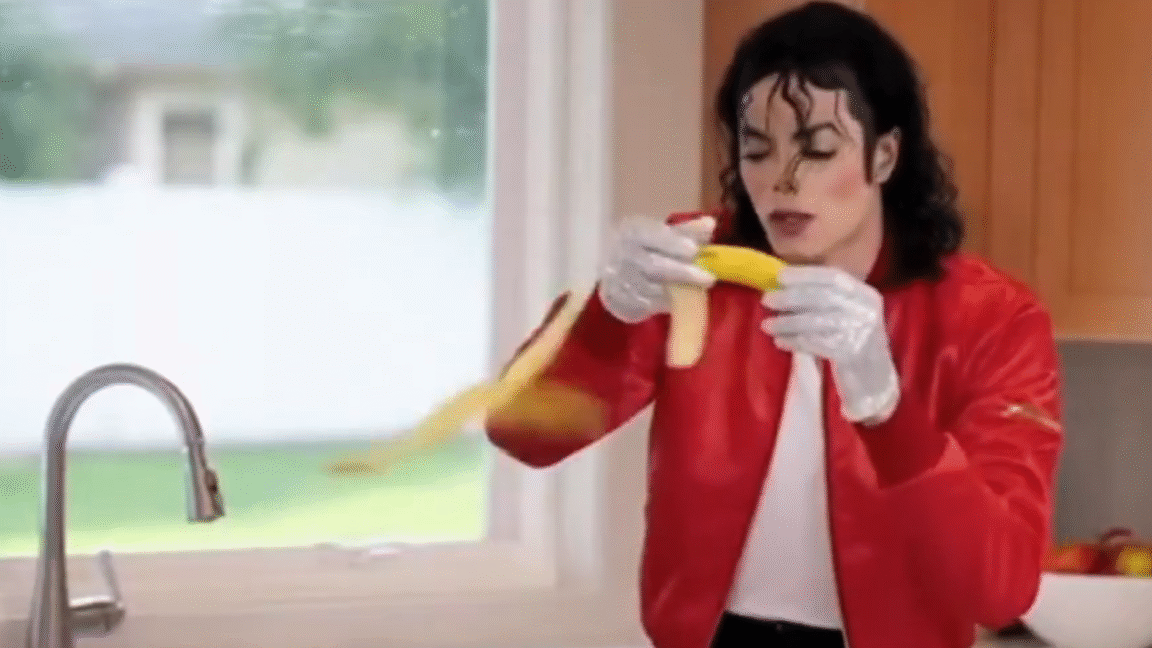
Despite these measures, creators have discovered that the default block does not extend to individuals who are no longer living. Social‑media platforms are now filled with AI‑generated clips that feature dead celebrities in new, often whimsical scenarios. Examples include a posthumous interview between Tupac Shakur and Malcolm X, Bruce Lee hosting a “dragon energy” DJ set, Michael Jackson performing kitchen‑based stand‑up comedy, Stephen Hawking riding a giant skateboard ramp, Mister Rogers appearing on a stunt‑show, Kurt Cobain stealing KFC chicken fingers, and Martin Luther King Jr. stumbling through a famous speech. The list continues to grow as users experiment with the tool’s capabilities.
Public Reaction and Family Concerns
The resurgence of these images has provoked strong reactions from relatives and fans. Zelda Williams, daughter of the late Robin Williams, posted a now‑deleted Instagram story urging creators to stop sending her AI videos of her father. She wrote, “Please stop sending me AI videos of dad… It’s dumb, it’s a waste of time and energy, and believe me, it’s NOT what he’d want.” Her statement underscores the emotional impact such synthetic portrayals can have on those who remember the real individuals.
OpenAI’s “Cameo” Feature for Living Users
In parallel with the controversy, OpenAI markets a “cameo” option that lets living public figures voluntarily submit a scan of their face via a smartphone. This feature enables users to insert themselves into any Sora 2 scene with high fidelity, while retaining control over how their likeness is used. OpenAI states that cameo participants can revoke access to their scans at any time and have moderation tools to limit unauthorized use. The company emphasizes that the system is designed to ensure consent and end‑to‑end control for living subjects.
Balancing Creativity and Ethics
The situation highlights a broader debate about the responsibilities of AI developers in managing deep‑fake technology. While Sora 2 opens new creative avenues, the ability to resurrect deceased personalities raises questions about respect for legacies, consent, and the potential for misuse. OpenAI’s watermark and cameo safeguards address some concerns, yet the loophole for deceased figures remains unfilled, leaving families and the public to grapple with the ethical implications of AI‑generated tributes that may not align with the wishes of those portrayed.
Usado: News Factory APP - descubrimiento de noticias y automatización - ChatGPT para Empresas