Sonair's 3D Ultrasonic Sensors Target Robot Safety and Industrial Use
Technology Overview
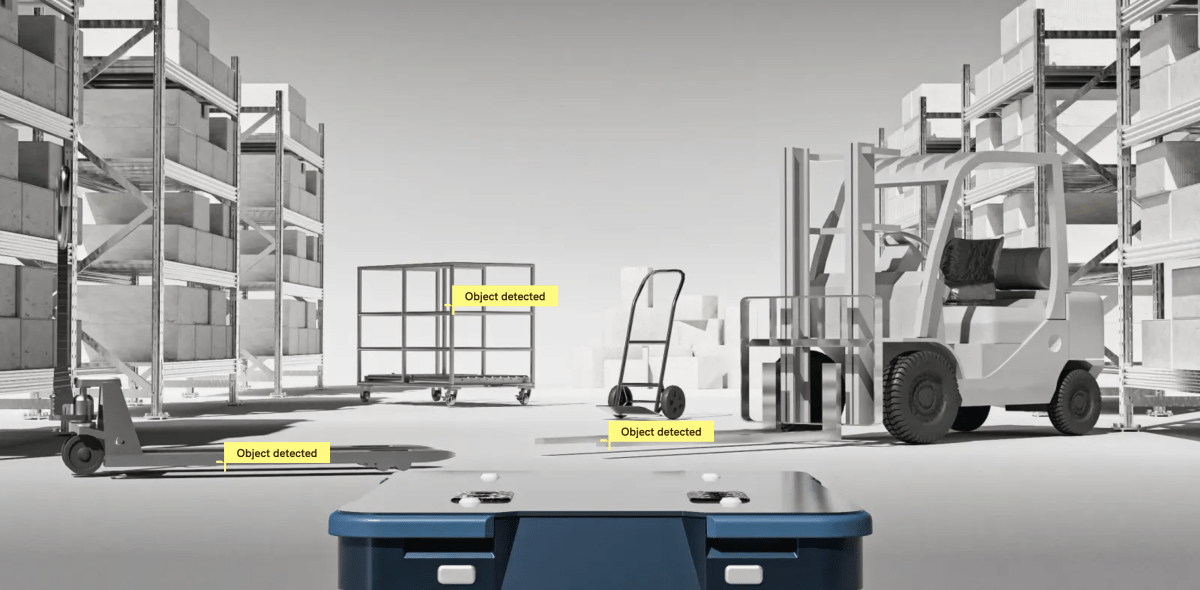
Sonair has built an ADAR (acoustic detection and ranging) sensor that emits ultrasound waves and records their echoes to generate a three‑dimensional map of the environment. The sensor’s output follows a standard industry format, allowing it to integrate with a variety of robotic hardware and software. Sonair’s CEO Knut Sandven explains that while cameras provide visual perception, they struggle under certain conditions, and the ultrasonic approach fills those gaps, especially for depth perception.
Comparison With Existing Solutions
Traditional robotics companies often rely on LIDAR, which uses laser beams to measure distances. Sandven argues that Sonair’s ultrasonic sensors capture more comprehensive data, likening LIDAR to “swiping a laser pointer” and the ultrasonic method to “shouting out in a room” that fills the space with sound. This comparison underscores the company’s belief that the technology can be a better, cheaper option for robot perception.
Market Demand and Applications
Since its release, the sensor has attracted strong interest from the robotics sector, with several companies planning to incorporate it into upcoming robot models. Industrial safety users are also adopting the technology to detect when people enter zones with heavy machinery, enabling automatic shutdowns to prevent accidents. The sensor’s ability to complement existing cameras and other sensors makes it attractive for both new robot designs and safety retrofits.
Funding and Growth Plans
Sonair recently closed a $6 million financing round that included new and returning investors such as Scale Capital, Norway’s state‑backed Investinor, and ProVenture. Sandven notes that investors familiar with robotics quickly grasped the safety problem his company aims to solve. The funding will support scaling up adoption of the ultrasonic sensors across more robot platforms.
Industry Perspective
Robotics‑focused investors, including general partner Fady Saad of Cybernetix Ventures, have highlighted safety as a major hurdle for broader robot deployment, especially in homes. While Saad is not an investor in Sonair, his comments reinforce the market’s focus on safety solutions. Sandven envisions the Sonair sensor becoming as ubiquitous as cameras in robots, and he expects clear indications of progress within a year.
Usado: News Factory APP - descubrimiento de noticias y automatización - ChatGPT para Empresas