Trump Vows Executive Order to Block State AI Regulations
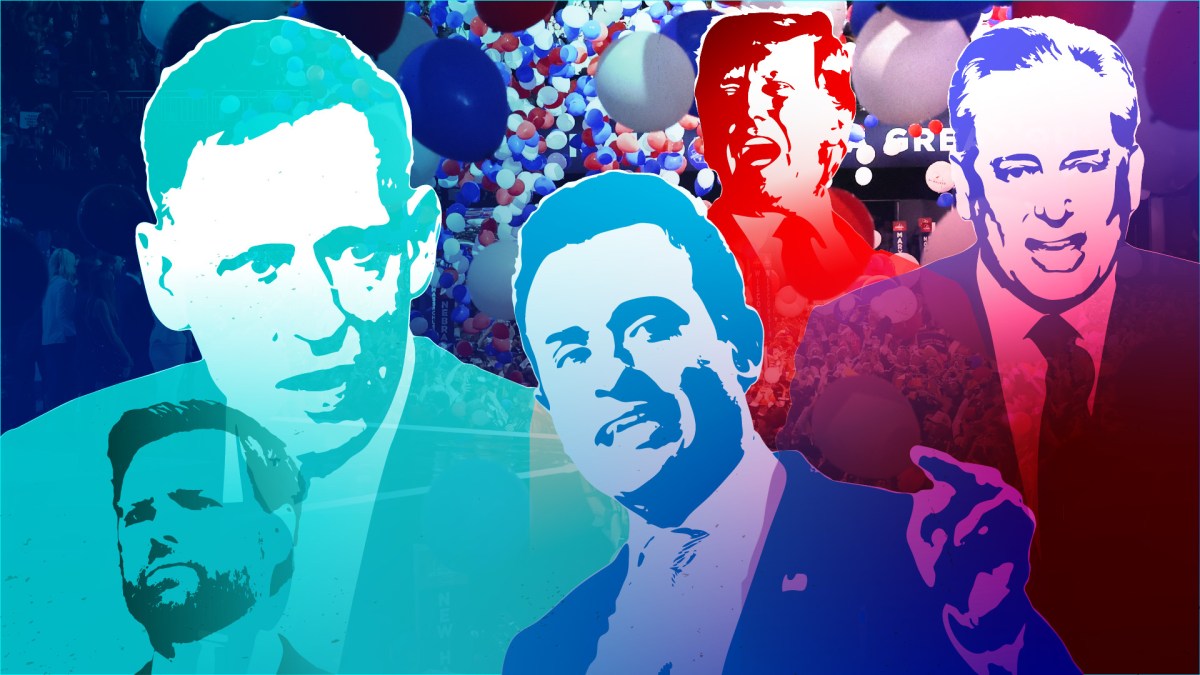
Trump’s Executive Order Proposal
President Donald Trump announced that he intends to sign an executive order this week aimed at limiting the ability of U.S. states to pass their own AI regulations. The order, described by the president as a “ONE RULE” initiative, would establish an “AI Litigation Task Force” tasked with challenging state AI laws in the courts. It would also direct federal agencies, including the Federal Communications Commission (FCC) and the Federal Trade Commission (FTC), to evaluate state regulations that are deemed overly burdensome and to develop national standards that could supersede state rules.
Industry Reaction
Silicon Valley figures, such as OpenAI President Greg Brockman and former venture‑capitalist‑turned‑White‑House “AI czar” David Sacks, have warned that a federal preemption of state AI laws could create an unworkable patchwork of regulations that would hinder innovation. They argue that a single federal rulebook would protect the United States’ competitive edge in AI development and avoid the complexities of navigating fifty different state regimes.
State and Congressional Opposition
Lawmakers from both parties have expressed strong opposition to the proposed order. New York Assembly member Alex Bores, who sponsored New York’s RAISE Act, criticized the move as a handout to AI billionaires that ignores risks to children, safety, and jobs. Republican representatives, including Marjorie Taylor Greene and Governor Ron DeSantis, defended the right of states to regulate AI, warning that a federal moratorium would strip states of the ability to protect their residents. Senator Marco Rubio also urged the president to preserve state authority over AI policy.
Existing State Efforts
Several states have already taken steps to address AI concerns. California passed the AI safety and transparency bill SB 53, while Tennessee enacted the ELVIS Act to protect musicians and performers from unauthorized AI‑generated deepfakes of their voices and likenesses. A bipartisan coalition of more than 35 state attorneys general warned Congress that overriding state AI laws could have “disastrous consequences.” Over 200 state lawmakers signed an open letter opposing federal preemption, citing setbacks to AI safety progress.
Potential Impacts
The proposed executive order would give David Sacks direct influence over AI policy, superseding the typical role of the White House Office of Science and Technology Policy. Critics argue that concentrating such authority could prioritize corporate interests over public safety. Supporters contend that a unified national framework would prevent a fragmented regulatory environment that could impede AI development and economic growth.
Broader Context
The debate occurs amid growing concerns about AI’s societal effects, including reports of suicides linked to prolonged interactions with AI chatbots and an increase in what psychologists are calling “AI psychosis.” Lawmakers and advocacy groups are calling for balanced oversight that protects individuals while fostering innovation. The outcome of Trump’s executive order will shape the balance of power between federal and state authorities in the rapidly evolving AI sector.
Usado: News Factory APP - descubrimiento de noticias y automatización - ChatGPT para Empresas