AI's Growing Pervasiveness Shapes Everyday Life
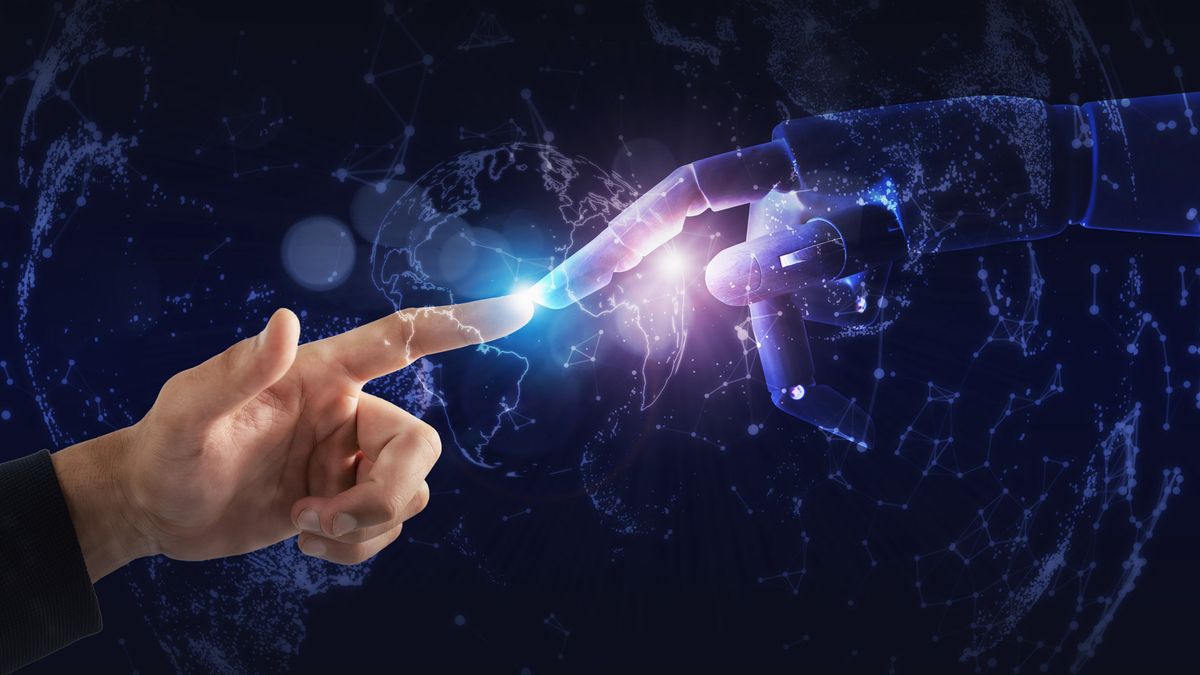
AI Images Blur the Line Between Real and Synthetic
Since AI tools entered mainstream use, the quality of generated images has advanced to a point where distinguishing a photograph from an AI creation often requires careful inspection. Users report having to examine subtle cues such as shadows, fabric folds, and other details that can betray a synthetic origin. While many generators embed a small watermark indicating AI involvement, those marks can be removed, prompting a new habit of visual skepticism.
Online Writing Faces Trust Challenges
The proliferation of AI‑written articles has introduced uncertainty about the reliability of online content. Readers can no longer assume authenticity based solely on polished prose. Instead, they look for clear human authorship, credible citations, and evidence of real‑world testing. Content that lacks these signals raises suspicion, leading users to verify information against trusted sources before accepting it.
Voice‑Enabled AI Becomes a Personal Organizer
Advanced voice capabilities in AI assistants, exemplified by ChatGPT’s conversational mode, have proven useful for household management. Users can narrate the placement of items—such as coats in a hallway closet or pantry goods—and receive organized spreadsheets that track inventory. This hands‑free method streamlines daily chores, offering a practical example of AI augmenting personal efficiency without intrusive prompts.
Customer Service Bots Grow More Capable
AI‑driven customer support bots have evolved from limited, canned‑response systems to sophisticated agents capable of resolving most routine issues. As a result, the need to speak with human representatives has diminished, though complex problems still occasionally require human intervention. The overall experience feels more efficient, with AI handling the bulk of inquiries.
Writing Style Adapts to Avoid AI‑Specific Punctuation
Writers have begun modifying their punctuation habits in response to AI’s overuse of the em‑dash. Recognizing that the em‑dash often signals AI‑generated text, some authors now favor alternatives like parentheses or shorter sentences to maintain a distinct human voice. This subtle shift reflects a broader awareness of stylistic cues that differentiate human writing from machine output.
Usado: News Factory APP - descoberta e automação de notícias - ChatGPT para Empresas