Meta's New Smart Glasses Navigate Competition and Uncertainty
Tethered vs. Wireless Glasses
Smart glasses currently fall into two main groups. Tethered models work like eye‑headphones, connecting via USB‑C to phones, laptops, or gaming devices for short‑term use such as movies, games, or work tasks. They are not designed for all‑day wear and typically require a separate pair once the session ends.
Wireless glasses aim to become true everyday eyewear, potentially replacing prescription glasses or serving as smart sunglasses. However, they are constrained by limited battery life, often lasting only several hours before needing a recharge in a case.
Meta's Latest Offerings
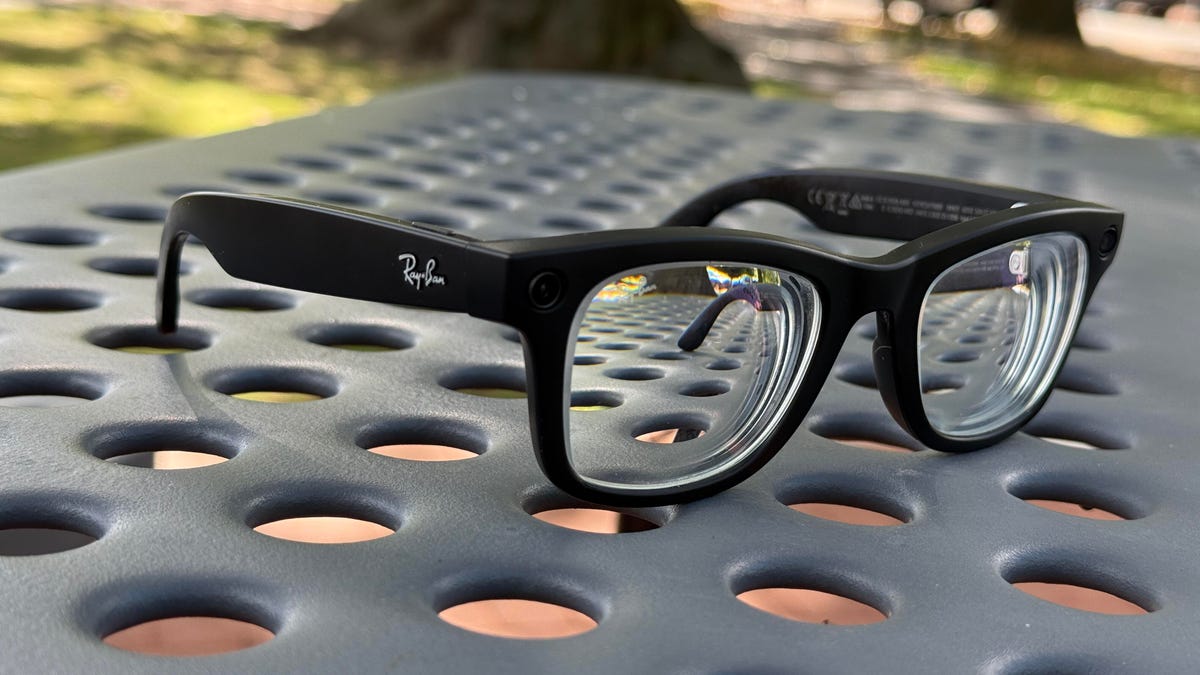
Meta’s new lineup includes Ray‑Ban Display glasses priced around $800 and Oakley sport‑oriented models. The Ray‑Ban devices can function as basic Bluetooth headphones and pair with a phone app, but their AI capabilities are locked to Meta’s own services, with limited third‑party integrations such as Apple Music, Spotify, and Calm.
AI Capabilities and Limitations
Meta’s glasses feature on‑board AI that continuously processes camera feeds, offering assistive functions like live translation and environmental description. While useful for vision‑impaired users, the AI is less flexible than phone‑based AI, lacking the ability to ingest personal documents or broader datasets. Developers may eventually gain more access, but the current ecosystem remains centered on Meta’s platforms.
Ecosystem and App Support
The devices rely on a dedicated app for pairing and functionality, and they support a modest set of third‑party apps. Meta is opening its platform to developers, though the extent of integration remains unclear. Meanwhile, other manufacturers are building custom chipsets or leveraging software on laptops to expand capabilities.
Market Competition and Future Outlook
Competition is intensifying. Luma’s high‑end Beast glasses, slated for release later this year, promise wider viewing areas and advanced lenses. Google is expected to launch AI‑enabled glasses in partnership with Warby Parker and other brands, presenting a true alternative to Meta’s lineup. Analysts liken the current smart‑glass market to the early wearable scene before mainstream adoption, suggesting rapid evolution and frequent product turnover.
Consumers face a choice: adopt Meta’s current offerings, which improve battery life and integrate with existing Meta services, or wait for upcoming models that may deliver broader AI functionality, better ecosystem openness, and potentially lower costs.
Usado: News Factory APP - descoberta e automação de notícias - ChatGPT para Empresas