Nvidia CEO Jensen Huang Says China Will Win the AI Race
Huang’s Bold Prediction
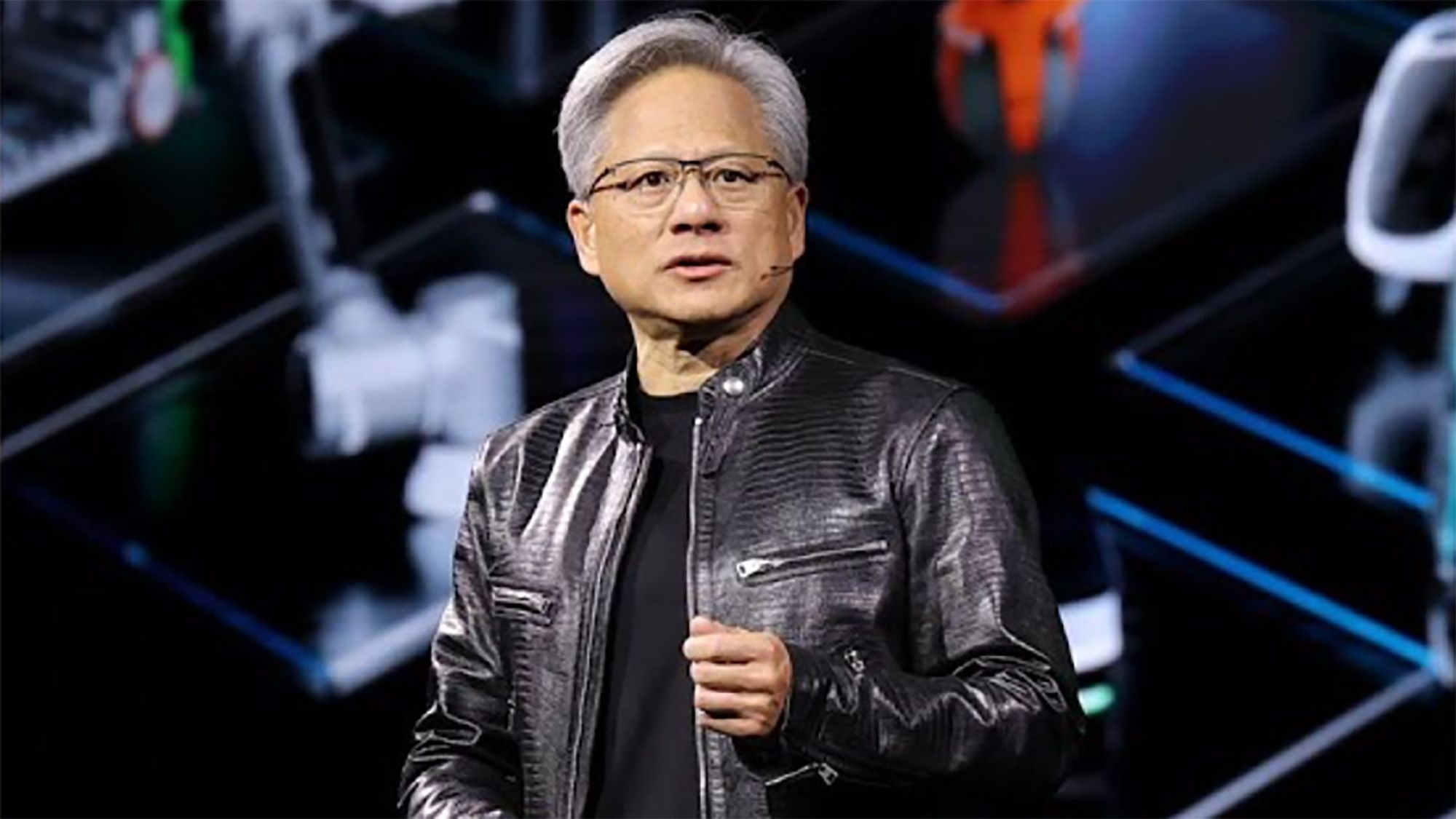
Nvidia CEO Jensen Huang publicly declared that China is set to win the AI race. He framed the statement as a call for the United States to maintain its competitive edge while also recognizing the sheer scale of China’s developer ecosystem.
Huang argued that the United States must continue to lead in AI hardware and software, but it also needs to attract Chinese developers. Excluding them, he warned, could create parallel AI systems that operate outside of American influence.
Impact of U.S. Chip Restrictions
The executive highlighted recent U.S. policies that limit the sale of Nvidia’s most advanced processors to China. He noted that these restrictions, while intended to protect national security, may inadvertently slow the spread of American technology. By preventing Chinese access to the latest chips, the United States risks losing half of the world’s AI developers.
Huang referenced the “Blackwell” chips, which have been earmarked for American users under previous administration directives. He suggested that overly restrictive export controls could diminish U.S. influence as Chinese developers continue to innovate within their own ecosystem.
Strategic Importance of Developers
According to Huang, the true measure of AI supremacy lies not only in hardware performance but also in the breadth of developers building tools on that hardware. He stressed that data centers equipped with Nvidia’s processors underpin global AI experimentation, and that maintaining a leading position requires widespread adoption of American‑based AI stacks.
The CEO warned that a policy that pushes Chinese developers toward alternative platforms would hurt the United States more than it protects it, as it would reduce the global reach of American AI technology.
Balancing Competition and Collaboration
While affirming that “America must win,” Huang also called for a less cynical approach to international competition. He suggested that engaging China’s developer community could ultimately benefit the global AI landscape, provided that the United States retains its technological leadership.
In summary, Huang’s message blends a strong defense of U.S. AI leadership with a pragmatic acknowledgment of China’s growing capabilities, urging policymakers to consider the long‑term implications of chip export restrictions on global AI development.
Usado: News Factory APP - descoberta e automação de notícias - ChatGPT para Empresas