OpenAI and Vertigo Films Advance AI-Driven Feature Film with 'Critterz' Adaptation
Project Overview
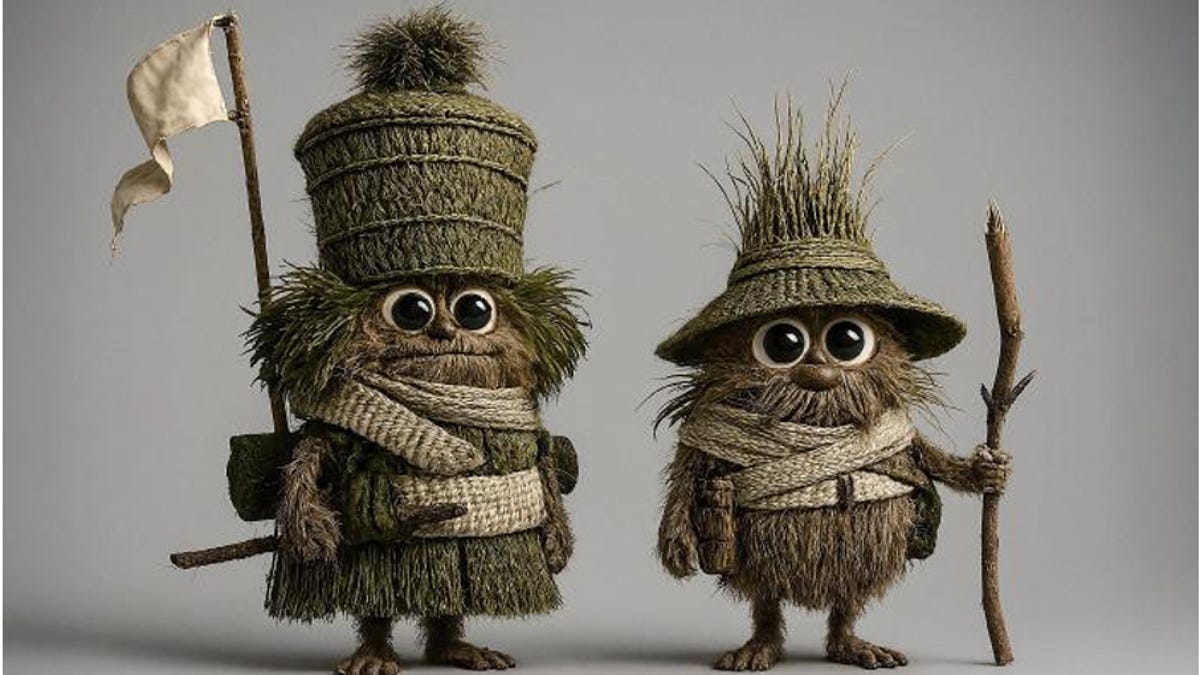
OpenAI and the UK‑based production company Vertigo Films have revealed plans to develop a feature‑length adaptation of Critterz, a short film released in 2023 that served as a demonstration of OpenAI's DALL·E image‑generation technology. The original short presented a whimsical take on the nature documentary genre, featuring forest creatures that suddenly demonstrate an ability to understand and converse with the narrator. The full‑length version is intended as a family adventure that will "expand the world of the so‑called Critterz characters," according to Vertigo Films. The project is being produced on a budget of less than $30 million, with an accelerated timeline of around nine months, positioning the film for a potential premiere at the Cannes Film Festival the following May.
Creative Team and Production
The short film was written and directed by Chad Nelson, who now serves as a creative specialist at OpenAI. Nelson utilized DALL·E to generate the visual assets for the original, then applied traditional animation techniques to bring the characters to life. For the expanded movie, he will continue to guide the visual development, while seasoned screenwriters James Lamont and Jon Foster—known for their work on the movie Paddington in Peru—have been tapped to write the script. Production studio Native Foreign, which incorporates AI into its workflow, is also participating in the effort. Early stages of production are already underway, and decisions regarding the voice cast are expected shortly.
Technology and Workflow
The film’s production strategy involves feeding hand‑drawn sketches from human artists into AI tools to generate the final animation. Nelson has indicated on LinkedIn that the project will employ the latest research models from OpenAI to innovate new production workflows. This approach reflects significant advances in image and video generation since the short’s debut; earlier AI tools often produced anomalies such as irregular finger counts, whereas current models can render more realistic visuals. Industry‑wide tools like Google’s Veo 3 are cited as examples of AI systems capable of producing content that blurs the line between authentic and synthetic media, increasing the challenge of distinguishing real footage from AI‑generated material.
Industry Implications
The initiative underscores a broader trend toward integrating generative AI into the filmmaking process, a shift that has sparked both excitement and controversy. Proponents highlight the potential for faster, cost‑effective production and new creative possibilities, while critics raise concerns about the artistic integrity of AI‑generated content and the ethical implications of using machine‑learned models trained on copyrighted material. Open three>OpenAI and other AI companies currently face lawsuits from entertainment and media firms alleging that their training datasets infringe on copyrighted works, and that the resulting tools can produce outputs that closely resemble protected characters.
Future Outlook
Beyond the technical and legal dimensions, the project raises fundamental questions about audience reception: whether viewers will embrace a fully AI‑augmented feature film and how the industry will balance innovation with traditional craftsmanship. As OpenAI and Vertigo Films move forward with Critterz, the outcome may serve as a bellwether for the viability of AI‑driven storytelling in mainstream cinema.
Usado: News Factory APP - descoberta e automação de notícias - ChatGPT para Empresas