OpenAI Halts AI-Generated Videos of Martin Luther King Jr. on Sora Platform
Background
Sora, a sister app to ChatGPT, allows users to create and share AI‑generated videos that can incorporate the recorded likenesses of real people. The platform launched with significant fanfare, positioning itself as a unique tool that blends generative video technology with social‑media sharing.
Controversy Over Martin Luther King Jr. Depictions
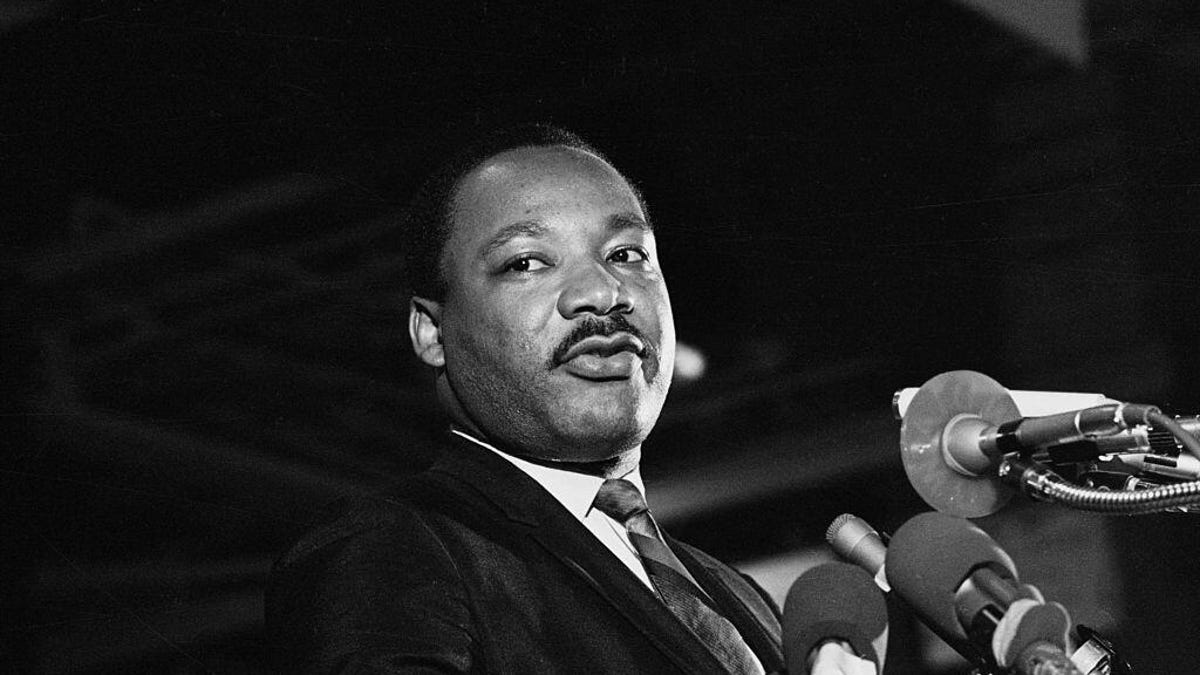
Shortly after launch, users began producing videos that placed Dr. Martin Luther King Jr. in a range of scenarios, including comedic, absurd, and overtly disrespectful contexts. The King estate described many of these videos as “disrespectful depictions,” noting that they ranged from the bizarre—such as the civil‑rights leader rapping or wrestling—to content that was explicitly offensive.
Estate Response and Public Appeal
Bernice King, the daughter of Dr. King, publicly urged people to stop sending AI‑generated videos of her father, echoing similar concerns raised by other families of public figures. The estate worked directly with OpenAI to address how Dr. King’s likeness is represented within Sora, seeking to assert control over its use.
OpenAI’s Guardrails and Policy Shift
OpenAI already employed guardrails intended to block the creation of videos featuring well‑known individuals; for example, a prompt requesting a video of Taylor Swift on stage was rejected. However, the guardrails proved insufficient to prevent the surge of MLK‑related content. In response, OpenAI announced a pause on the ability to generate videos featuring Dr. King, stating that “public figures and their families should ultimately have control over how their likeness is used.” The company emphasized that authorized representatives of public figures can request that their likeness not be included in Sora generations.
Industry Implications and Legal Context
The episode highlights ongoing friction between AI developers and rights‑holders, including talent agencies that were previously told they could opt out of having their intellectual property used in Sora. The King estate’s involvement illustrates how families can influence AI content policies. OpenAI’s approach has been noted as not fully aligned with traditional copyright law, which typically requires licensing before using protected content. The company later adjusted its stance, reflecting the evolving legal and ethical landscape surrounding AI‑generated media. Additionally, OpenAI disclosed a lawsuit filed by Ziff Davis, alleging copyright infringement in the training and operation of its AI systems, underscoring broader industry challenges.
Usado: News Factory APP - descoberta e automação de notícias - ChatGPT para Empresas