OpenAI’s Sora App Floods the Web with Low‑Quality AI‑Generated Videos
Background
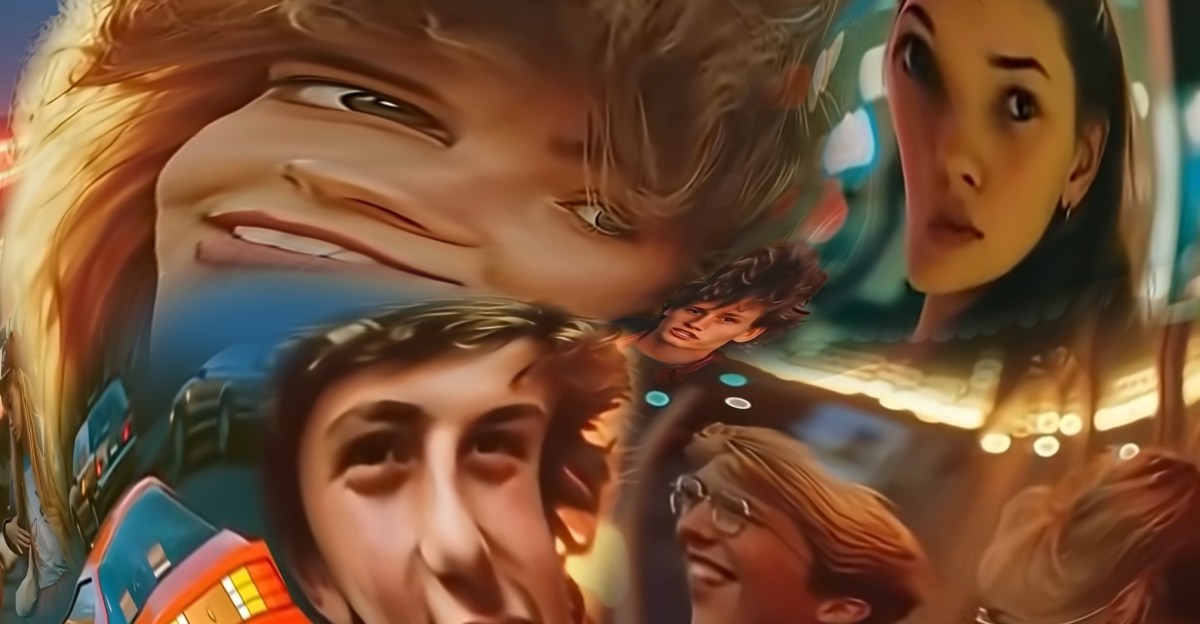
OpenAI introduced Sora as a social video app that lets users generate short clips by entering simple text prompts. The tool quickly attracted a wave of creators who produced videos featuring nostalgic settings, vintage music and AI‑rendered versions of well‑known personalities.
Content Characteristics
The majority of the videos blend retro aesthetics with exaggerated scenarios, such as famous figures performing out‑of‑character actions. Many clips recycle familiar prompts, leading to a repetitive formula that emphasizes shock value over originality. Watermarks indicating the use of OpenAI’s model appear on most uploads, signaling the artificial origin of the content.
Criticism and Implications
Observers criticize the output for its lack of depth and for often relying on stereotypes and sensationalism. The videos frequently feature problematic portrayals, including racist, ableist or sexist elements, which amplify concerns about the ethical use of generative AI. Critics also note that the platform encourages users to chase virality rather than develop meaningful artistic expression, turning the technology into a novelty tool rather than a medium for serious creativity.
Future Outlook
While OpenAI and competing firms tout the democratizing potential of AI‑powered content creation, the current wave of Sora videos suggests a gap between hype and substantive value. The ease of generating content may lead to an oversaturation of low‑quality material, prompting questions about how the industry will balance scalability with cultural relevance and responsibility.
Usado: News Factory APP - descoberta e automação de notícias - ChatGPT para Empresas