President Trump Signs Executive Order to Preempt State AI Laws
Executive Order Overview
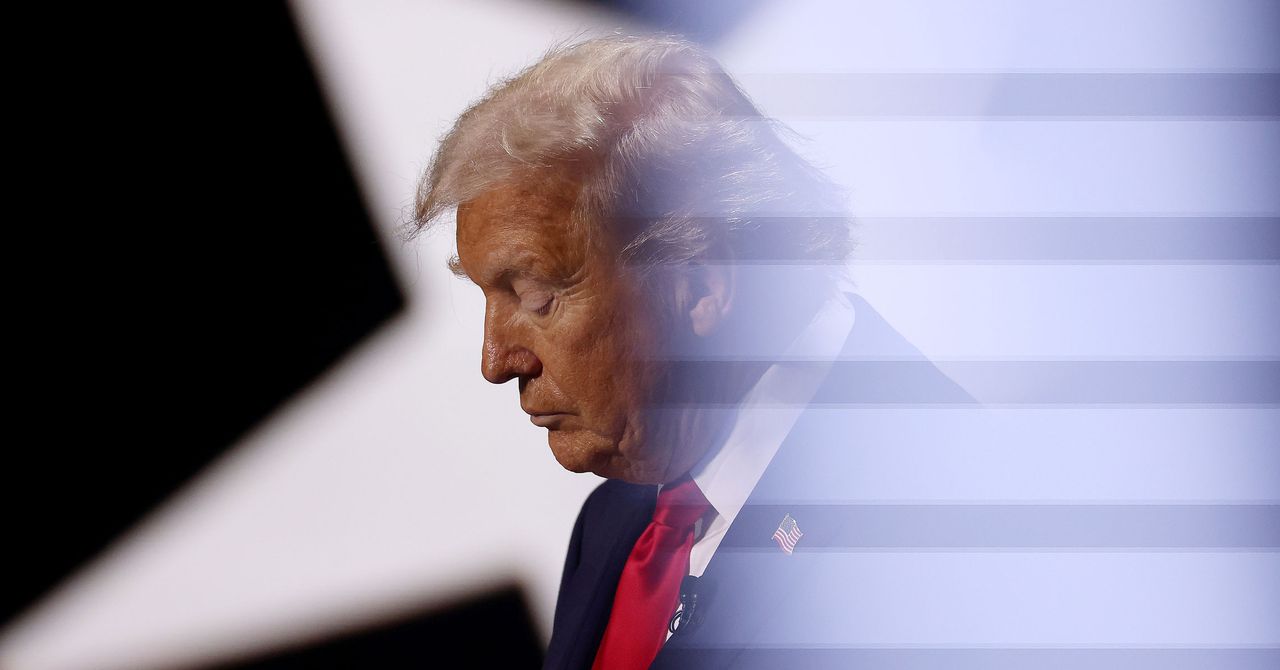
President Donald Trump signed an executive order called “Ensuring a National Policy Framework for Artificial Intelligence.” The order seeks to establish a unified federal approach to AI regulation and to limit the ability of individual states to pass their own AI statutes that the administration deems inconsistent with federal goals.
Key components of the order include the creation of a Justice Department task force empowered to challenge state AI laws and a directive to the Commerce Department to potentially withhold future broadband funding from states that adopt what the order describes as “onerous” AI regulations.
Policy Direction and Advisory Involvement
White House AI and crypto adviser David Sacks, a vocal proponent of a light‑touch regulatory environment, briefed the president on the order. The order also tasks Sacks and Michael Kratsios, the assistant to the president for science and technology, with preparing a legislative recommendation that would outline a comprehensive federal policy framework for artificial intelligence.
While the order emphasizes preemption of state AI laws, it includes a carve‑out that preserves state authority over laws aimed at protecting children, promoting data‑center infrastructure, and encouraging state procurement of AI tools.
State Laws Targeted and Industry Context
The order specifically references state statutes such as Colorado’s SB24‑205, which addresses algorithmic discrimination, labeling them as attempts to “embed ideological bias.” It also notes recent state actions, including a California law requiring large technology companies to publish safety frameworks for AI models and a New York bill that would allow the state attorney general to impose civil penalties on AI developers who fail to meet safety standards. The New York measure remains pending before the governor.
Reactions from State Officials and Advocacy Groups
State attorneys general have criticized the order, arguing that states serve as agile regulators for emerging technologies. They contend that the federal initiative could undermine effective state‑level oversight.
Civil‑rights organizations, including the American Civil Liberties Union, have labeled the order unconstitutional and indicated that it will likely be challenged in the courts.
Potential Implications
The executive order aims to set a national tone for AI governance, potentially reshaping the balance of regulatory authority between federal and state governments. Its enforcement mechanisms, particularly the threat to withhold broadband funding, could create significant pressure on states to align their AI policies with the forthcoming federal framework. Legal challenges are expected, and the order’s ultimate impact will depend on how the recommended legislation is crafted and enacted.
Usado: News Factory APP - descoberta e automação de notícias - ChatGPT para Empresas