Qualcomm Pushes C2PA Authentication in Snapdragon Chips to Combat AI‑Generated Media
Qualcomm’s New Focus on Media Authenticity
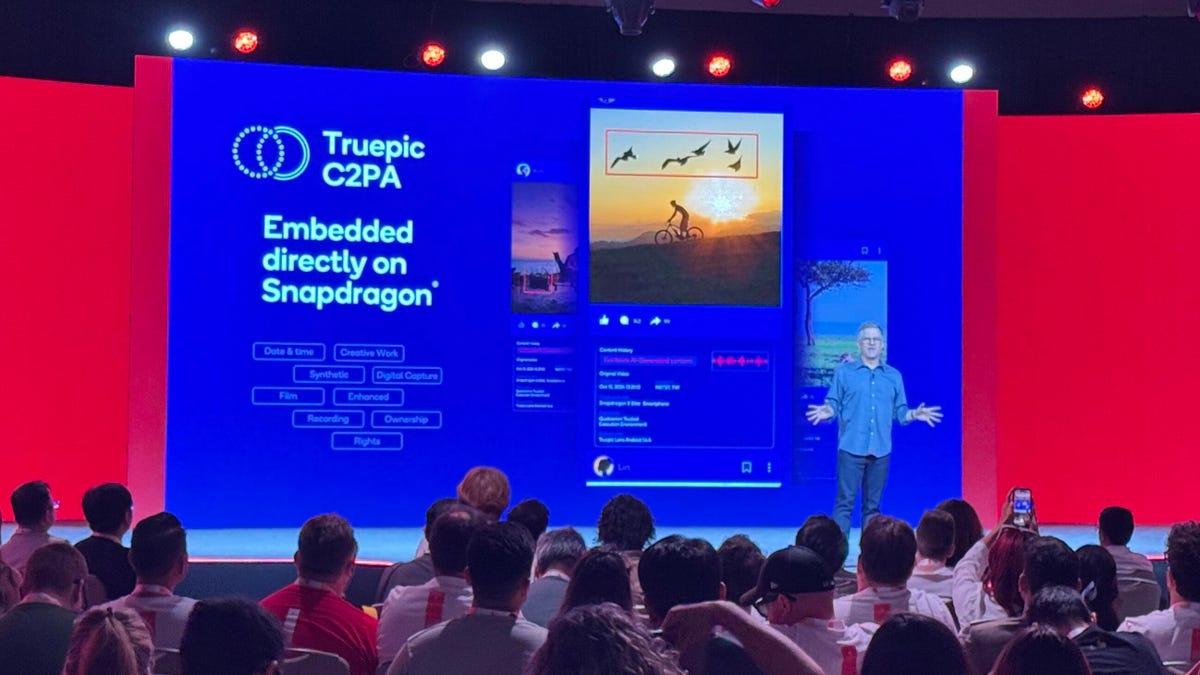
Amid growing concerns over AI‑generated and manipulated visual content, Qualcomm is positioning its Snapdragon platform as a tool for verifying the authenticity of photos and videos captured on smartphones. The company highlighted this initiative at the recent Snapdragon Summit, where it introduced the Snapdragon 8 Elite Gen 5, a high‑performance chip slated for upcoming Android devices.
Adoption of the C2PA Standard
Qualcomm’s strategy centers on the Content Authenticity Initiative’s (C2PA) open technical standard. By embedding C2PA metadata directly into media files, the system can indicate whether AI techniques were used during creation, providing a clear provenance trail for end users. The company emphasized that this digital watermarking will be applied by default once manufacturers enable the feature.
Partnership with Truepic
To bring the C2PA capability to market, Qualcomm has partnered with Truepic, a San Diego‑based firm that specializes in digital image verification software. Truepic’s expertise in creating tamper‑evident metadata complements Qualcomm’s hardware, allowing the authentication process to be streamlined within the Snapdragon chipset. Qualcomm’s vice‑president of product management, Judd Heape, noted that the collaboration simplifies the path for phone makers to adopt the technology.
Manufacturer Involvement and Market Outlook
Qualcomm clarified that while the software package is ready for integration, the decision to enable C2PA authentication rests with individual phone manufacturers. Heape indicated that several manufacturers are already collaborating with Qualcomm, though he did not disclose specific brand names. The company believes that as generative AI tools become more prevalent, demand for built‑in authenticity features will rise among both device makers and consumers.
Implications for Users and the Industry
If widely adopted, C2PA‑enabled Snapdragon devices could give users confidence that their captured media reflects the scene as originally recorded, without undisclosed AI alterations. This could serve as a countermeasure against deepfakes and other forms of visual misinformation proliferating across social platforms. Qualcomm’s move also signals a broader industry trend toward embedding trust mechanisms directly into consumer electronics.
Usado: News Factory APP - descoberta e automação de notícias - ChatGPT para Empresas