Robot Lawn Mowers: How They Work, Features and Top Picks
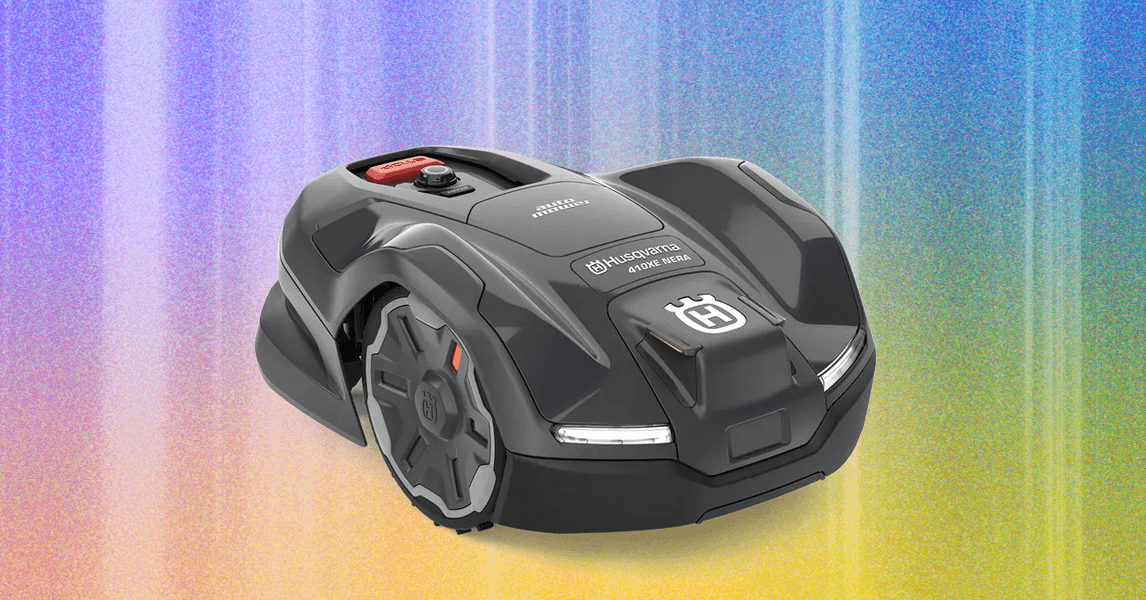
How Robot Lawn Mowers Operate
Robot mowers are equipped with onboard rechargeable batteries that power a cutting deck and navigation system. They typically run multiple times per week during the growing season, mulching grass clippings back onto the lawn to promote health. When battery levels drop, the mower automatically returns to a weather‑proof charging station to recharge.
Navigation Technologies
Four primary navigation methods are used:
- Satellite: Mowers like the Husqvarna Automower 450X use a satellite receiver to map virtual boundaries, requiring an unobstructed view of the sky.
- Camera: Systems such as the Eufy Robot Lawn Mower E15 employ cameras and AI to map and avoid obstacles.
- Wire Boundary: Traditional models rely on a physical wire placed around the mowing area.
- Remote Control: Devices like the Mowrator S1 are driven manually via a controller or app.
Leading Models Reviewed
Husqvarna Automower 450X EPOS – Offers satellite navigation, can cover up to 2.5 acres, cuts between 0.75 and 2.15 inches, and handles slopes up to 45 degrees. It features quiet operation (50‑60 dB) and robust anti‑theft tracking.
Anthbot Genie 3000 – A more budget‑friendly satellite mower covering up to 0.89 acres, cutting heights from 1.18 to 2.75 inches, and slopes up to 24 degrees. It provides app‑based control but may experience occasional GPS glitches.
Mowrator S1 – A remote‑control mower with a 21‑inch cutting width, capable of handling up to 1.12 acres and slopes up to 40 degrees. It delivers a fast, RC‑car‑like experience but requires the user to operate it manually.
Eufy Robot Lawn Mower E15 – Uses a camera system for wire‑free navigation, covering up to 0.2 acres, cutting 1‑3 inches, and handling 18‑degree slopes. Requires reliable Wi‑Fi coverage.
Installation and Weather Considerations
Most models are designed for DIY installation. Users must position the receiver (for satellite models) or lay boundary wire (for wire models), and place the charging station within range of power and, where required, Wi‑Fi. The units typically have an IP rating that allows operation in rain, though many include rain sensors that pause mowing when conditions are too wet. Winter storage indoors is recommended.
Buying Guidance
When selecting a robot mower, consider lawn size and shape, slope, and desired level of automation. Premium satellite models excel on large, open lawns, while camera‑based or remote‑control options suit smaller or more complex yards. Budget models may have limitations such as occasional navigation glitches or reduced obstacle handling. Evaluating noise levels (generally 50‑65 dB) and battery runtime (ranging from about 30 minutes to over three hours) helps match a mower to user expectations.
Usado: News Factory APP - descoberta e automação de notícias - ChatGPT para Empresas