a16z‑Backed Super PAC Targets New York Lawmaker Over AI Safety Bill
Background
New York Assembly member Alex Bores has emerged as a prominent advocate for AI safety at the state level. He authored the bipartisan RAISE Act, which would require large artificial‑intelligence laboratories to create and follow safety plans, disclose critical incidents, and refrain from releasing models that pose unreasonable risks of harm. The legislation also proposes civil penalties of up to $30 million for non‑compliance and is awaiting the signature of Governor Kathy Hochul.
The Super PAC
Leading the Future, a super political action committee formed in August, is backed by venture capital firm Andreessen Horowitz, OpenAI president Greg Brockman, Palantir co‑founder Joe Lonsdale, and AI startup Perplexity. The PAC announced a financial commitment exceeding $100 million to support policymakers who favor a “light‑touch—or no‑touch—approach” to AI regulation. Its first declared target is Alex Bores, a move the group says is intended to counter legislation it views as a threat to American competitiveness and innovation.
Bores' Response
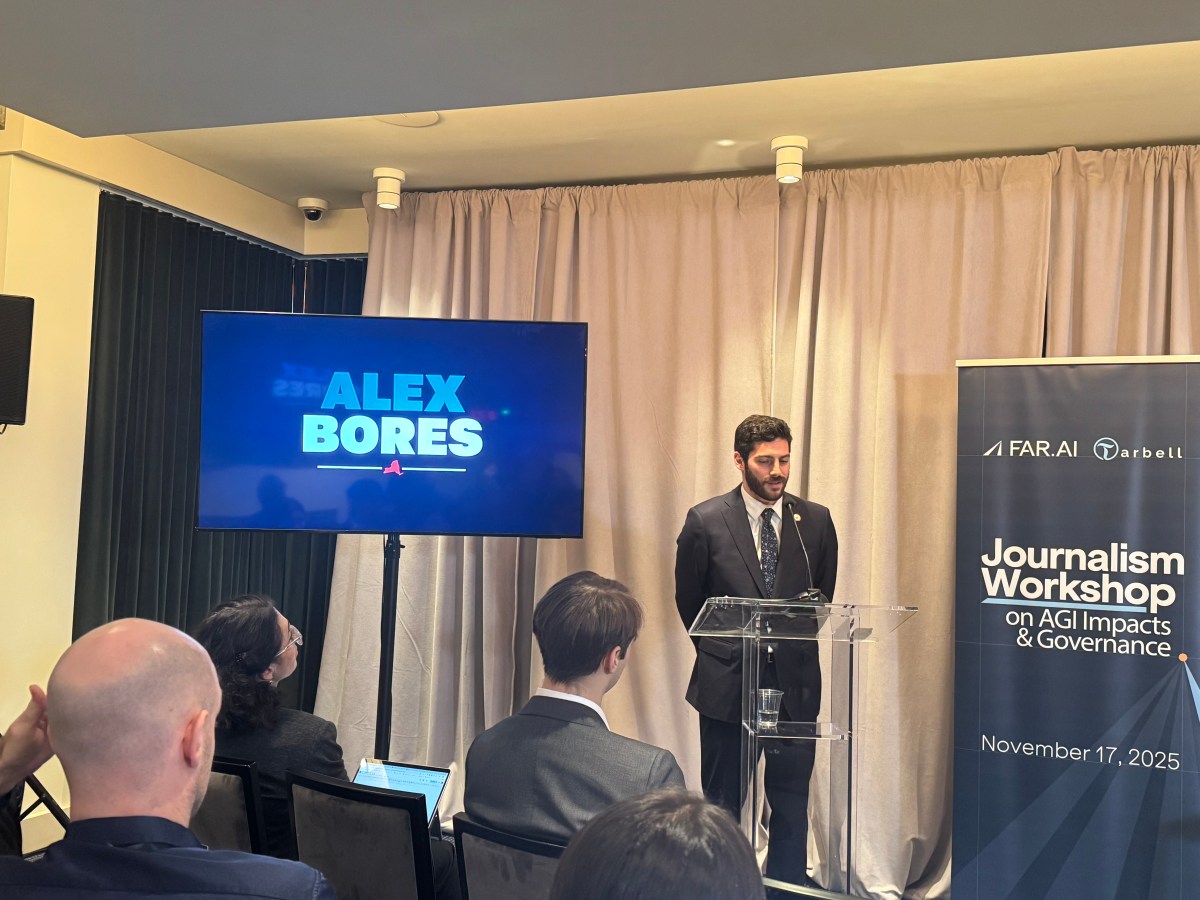
Addressing reporters at a journalism workshop in Washington, D.C., Bores said he appreciated the PAC’s straightforwardness and reiterated that he would forward the group’s concerns to his constituents. He emphasized that his constituents are increasingly anxious about AI‑related issues, ranging from higher utility bills caused by data centers to the mental‑health impacts of chatbots on children and potential job displacement from automation.
Legislative Context
The RAISE Act was shaped through consultations with major AI firms such as OpenAI and Anthropic. Those discussions led to the removal of provisions, including third‑party safety audits, which the industry opposed. Despite those concessions, the bill has drawn sharp criticism from Silicon Valley, which argues that state‑level AI regulations could hinder U.S. leadership in the sector and create a patchwork of rules that benefit foreign competitors.
Implications
The targeting of Bores illustrates a broader clash between tech‑industry lobbyists and state legislators seeking to establish safety standards for AI. While Bores argues that state policies act as “policy laboratories” that can move faster than a stalled federal agenda, critics contend that inconsistent state rules could undermine national competitiveness and security. The dispute also underscores ongoing efforts by some lawmakers, such as Sen. Ted Cruz, to block state AI regulations at the federal level.
Usado: News Factory APP - descubrimiento de noticias y automatización - ChatGPT para Empresas