Lo nuevo en Article Factory y lo último en el mundo de la IA generativa

OpenAI’s Sora App Raises Concerns Over Deepfake Proliferation

OpenAI’s Sora App Raises Concerns Over Deepfake Proliferation
OpenAI’s Sora, a TikTok‑style video creation app, lets users generate fully synthetic videos that look remarkably realistic. Each video includes a moving white cloud watermark and embeds C2PA metadata that identifies it as AI‑generated. Tools from the Content Authenticity Initiative can verify this provenance, while social platforms are beginning to label AI‑created content. Industry observers warn that the ease of producing such deepfakes could fuel misinformation and threaten public figures, prompting calls for stronger guardrails. Leer más →

Google’s Gemini Adds Limited AI Image Detection, Highlights Gaps in Deepfake Verification

Google’s Gemini Adds Limited AI Image Detection, Highlights Gaps in Deepfake Verification
Google has introduced an image‑verification feature in its Gemini app that checks for a SynthID watermark to determine whether an image was generated by Google’s own AI tools. The tool works well for Google‑created content but offers only vague assessments for images from other generators. Testing shows inconsistent results across Gemini’s browser version, other models like Gemini 3, Gemini 2.5 Flash, and rival chatbots such as ChatGPT and Claude. The rollout underscores the need for broader, universal detection methods, a goal being pursued by initiatives like the Coalition for Content Provenance and Authentication (C2PA). Leer más →

Google Gemini Gains New AI-Generated Image Detection Feature

Google Gemini Gains New AI-Generated Image Detection Feature
Google has added a tool to the Gemini app that lets users ask whether an image was created or edited by a Google AI model. The feature currently works for images and relies on Google’s SynthID watermark, with plans to expand to video, audio and broader industry‑wide C2PA credentials. Google also announced that images from its Nano Banana Pro model will carry C2PA metadata. TikTok has confirmed it will use C2PA metadata for its own invisible watermarking, signaling wider adoption of AI‑content verification standards. Leer más →

Google Launches Nano Banana Pro with Advanced Gemini-Powered Image Generation and Built-In Detection

Google Launches Nano Banana Pro with Advanced Gemini-Powered Image Generation and Built-In Detection
Google unveiled Nano Banana Pro, an AI image generator powered by Gemini, that delivers more realistic results than earlier models. The system embeds SynthID watermarks and adds C2PA metadata to help identify AI‑created images. Through the Gemini app, users can query whether an image was produced by Google’s AI. While AI Ultra subscribers receive the highest usage limits, visible watermarks are removed for them, though the underlying SynthID remains. The tiered offering aims to balance creative flexibility for professionals with tools for transparency and detection. Leer más →

OpenAI’s Sora Deepfake App Sparks Trust and Misinformation Concerns

OpenAI’s Sora Deepfake App Sparks Trust and Misinformation Concerns
OpenAI's AI video tool Sora lets users create realistic videos with features such as the “cameo” function that inserts anyone’s likeness into AI‑generated scenes. The app automatically watermarks videos and embeds C2PA metadata that identify the content as AI‑generated. While these safeguards aim to help viewers verify authenticity, experts warn that easy access to high‑quality deepfakes could fuel misinformation and put public figures at risk. Platforms like Meta, TikTok and YouTube are adding their own labels, but the consensus is that vigilance and creator disclosure remain essential. Leer más →

OpenAI's Sora App Fuels Rise of AI-Generated Videos and Deepfake Concerns

OpenAI's Sora App Fuels Rise of AI-Generated Videos and Deepfake Concerns
OpenAI's Sora app lets anyone create realistic AI‑generated videos that appear on a TikTok‑style platform. Every video includes a moving white Sora logo watermark and embedded C2PA metadata that disclose its AI origin. While the tool showcases impressive visual quality, experts warn it could accelerate the spread of deepfakes and misinformation. Social platforms are beginning to label AI content, but users are urged to remain vigilant and check watermarks, metadata, and disclosures to verify authenticity. Leer más →

AI Slop: The Flood of Low‑Effort Machine‑Generated Content

AI Slop: The Flood of Low‑Effort Machine‑Generated Content
AI slop describes a wave of cheap, mass‑produced content created by generative AI tools without editorial oversight. The term captures how these low‑effort articles, videos, images and audio fill feeds, push credible sources down in search results, and erode trust online. Content farms exploit the speed and low cost of AI to generate clicks and ad revenue, while platforms reward quantity over quality. Industry responses include labeling, watermarking and metadata standards such as C2PA, but adoption is uneven. Experts warn that the relentless churn of AI slop threatens both information quality and the health of digital culture. Leer más →

OpenAI’s Sora Raises Concerns Over Deepfake Detection and Content Credential Adoption

OpenAI’s Sora Raises Concerns Over Deepfake Detection and Content Credential Adoption
OpenAI’s video generation tool Sora can produce realistic deepfake videos of public figures and copyrighted characters, exposing gaps in current detection and labeling systems. Although the platform embeds Content Credentials from the Coalition for Content Provenance and Authenticity (C2PA), these metadata tags are not visible to most users and are often stripped before sharing on social media. Platforms such as Meta, TikTok, YouTube, and X have provided limited or no visible labeling, leaving the public vulnerable to misinformation. Experts argue that metadata alone is insufficient and call for broader industry adoption and regulatory action. Leer más →

Qualcomm Pushes C2PA Authentication in Snapdragon Chips to Combat AI‑Generated Media

Qualcomm Pushes C2PA Authentication in Snapdragon Chips to Combat AI‑Generated Media
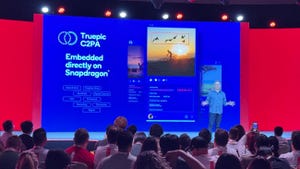
Qualcomm is advancing digital content authenticity by integrating the C2PA standard into its Snapdragon mobile processors. At the Snapdragon Summit, the company unveiled the Snapdragon 8 Elite Gen 5 and announced a partnership with Truepic to embed watermarking that reveals AI involvement in photos and video. While Qualcomm provides the software package, adoption rests with phone manufacturers, and at least one unnamed maker is already working on integration. The move aims to give users a reliable way to verify that captured media is genuine in an era of deepfakes and AI‑enhanced images. Leer más →

Google Introduces Conversational Photo Editing in Google Photos

Google Introduces Conversational Photo Editing in Google Photos
Google has added a conversational editing feature to Google Photos that lets users describe changes in plain language or voice commands. The tool, first seen on Pixel devices and now available on compatible Android phones, uses generative AI to adjust lighting, remove objects, crop, and even add new elements to images. It aims to simplify photo editing by removing menus and sliders, while also embedding metadata to signal AI involvement. Early impressions suggest the feature is intuitive and fast, though some limitations remain in precision editing. Leer más →

Google Photos rolls out AI-powered voice and text editing on Android

Google Photos rolls out AI-powered voice and text editing on Android
Google has introduced an AI-driven editing feature to Google Photos for Android users. Leveraging the Gemini model, the tool lets users describe desired changes through voice or text, handling tasks from basic lighting tweaks to advanced object removal and creative enhancements. Available initially to U.S. users aged 18 and older in English, the feature expands beyond Pixel devices to the wider Android ecosystem and includes support for AI content credentials, offering a more intuitive and transparent photo‑editing experience. Leer más →

Google Pixel 10 Introduces AI‑Powered Camera Coach and Triple‑Camera System

Google Pixel 10 Introduces AI‑Powered Camera Coach and Triple‑Camera System
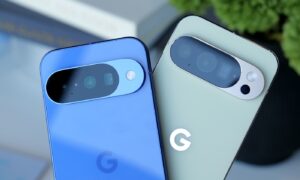
Google’s Pixel 10 line brings a triple‑camera setup to its base model and adds AI‑driven features such as the Gemini‑powered Camera Coach, Auto Best Take, and voice‑controlled photo editing. The hardware upgrade includes a 10.8MP 5x telephoto lens, while software enhancements focus on composition advice, automatic group‑shot optimization, and new content‑authenticity tools. The Pro models retain their existing sensor array but gain Pro Res Zoom optimized for the Tensor G5 chip. Overall, the Pixel 10 emphasizes AI integration over dramatic hardware changes, aiming to make high‑quality photography more accessible. Leer más →

Google Pixel 10 Phones Embed C2PA Content Credentials to Flag AI-Edited Images

Google Pixel 10 Phones Embed C2PA Content Credentials to Flag AI-Edited Images
Google’s new Pixel 10 lineup will be the first smartphones to embed the Coalition for Content Provenance and Authenticity (C2PA) Content Credentials directly into the native camera app. Every photo captured on the Pixel 10 will carry a digital watermark that reveals whether the image has been altered with AI, allowing anyone viewing the picture – through Google Photos, Lens, or Search – to see its provenance. The integration follows Google’s earlier work with C2PA, extending the standard from web services to on‑device photography and offering users transparent insight into image authenticity. Leer más →