Google Unveils Project Suncatcher to Deploy AI Chips on Low‑Earth‑Orbit Satellites
Project Overview
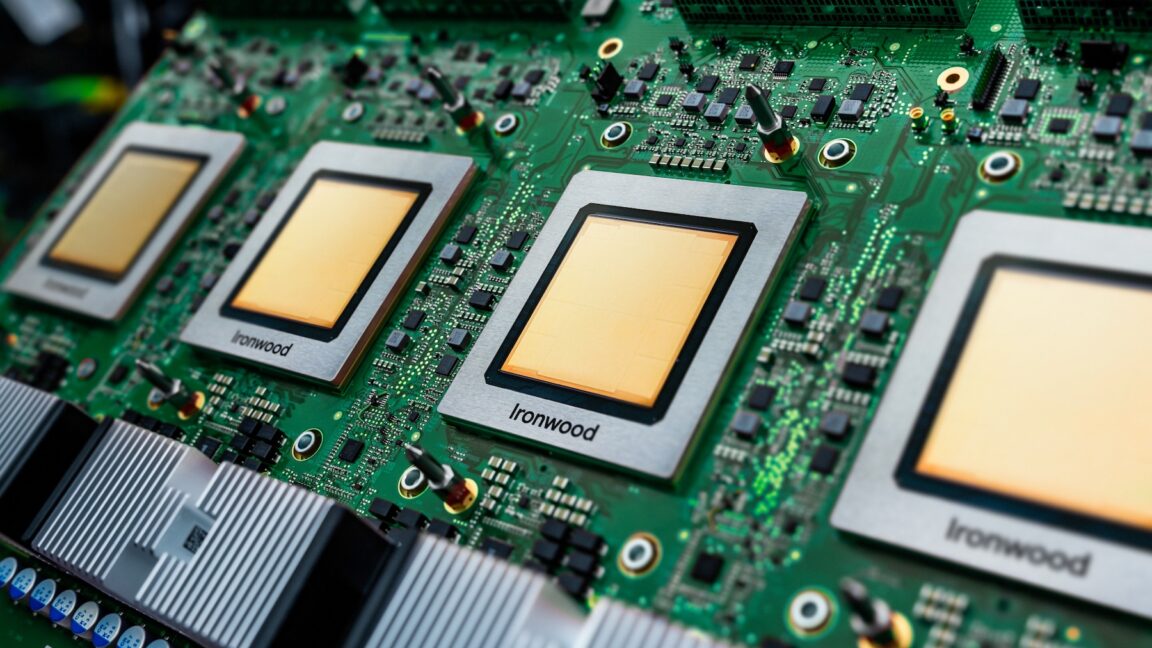
Google introduced Project Suncatcher as a moonshot effort to examine the feasibility of bringing artificial intelligence to space. The initiative envisions deploying swarms of satellites in low‑Earth orbit, each carrying Google’s AI accelerator chips—Tensor Processing Units (TPUs)—designed for a range of machine‑learning workloads, including training models, generating content, synthetic speech, vision processing, and predictive modeling. The satellites would be solar‑powered and linked via free‑space optical connections, aiming to scale compute capacity beyond terrestrial data centers.
In a blog post, Google described the effort as “equipping solar‑powered satellite constellations with TPUs and free‑space optical links to one day scale machine learning compute in space.” The company’s leadership, including CEO Sundar Pichai, emphasized that early tests indicate the TPUs can endure the intense radiation environment of space. However, Google acknowledged that significant engineering challenges remain, particularly in thermal management and ensuring reliable operation of systems while on orbit.
Motivation and Challenges
Travis Beals, senior director of the Paradigms of Intelligence research team, explained that the project stems from the soaring demand for AI capabilities. He said, “We’re just seeing so much demand from people for AI, so we wanted to figure out a solution for compute that could work no matter how large demand might grow.” The motivation includes concerns about the environmental impact of expanding terrestrial data centers, which consume large amounts of electricity and require extensive cooling resources, often relying on vast water supplies.
According to an external analysis referenced by Google, AI alone could consume electricity comparable to 22 percent of all U.S. households by 2028. By moving compute to space, Google hopes to mitigate some of the energy and cooling challenges associated with ground‑based facilities. Nonetheless, the company stresses that solving the complex engineering problems—such as managing heat in the harsh space environment and guaranteeing system reliability over long periods—will be essential before any operational deployment can occur.
Project Suncatcher remains in the research phase, with Google publishing a paper outlining its technical approach and objectives. The initiative reflects Google’s broader strategy of pursuing ambitious, long‑term technologies that could reshape the infrastructure underpinning artificial intelligence services worldwide.
Usado: News Factory APP - descoberta e automação de notícias - ChatGPT para Empresas