Tesla's Master Plan Part IV Draws Criticism for Vague Vision
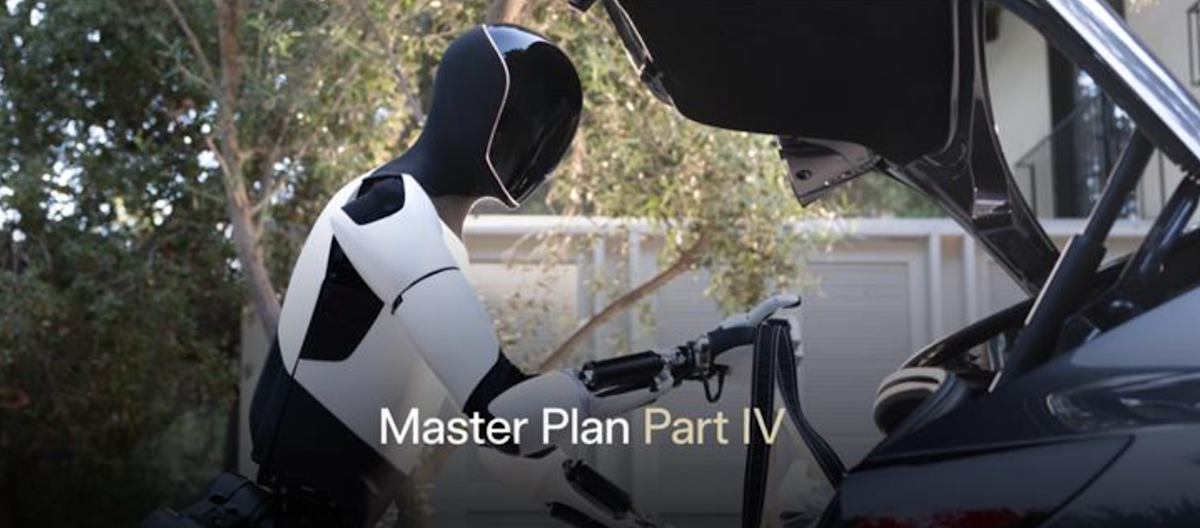
Background of Tesla's Master Plans
Tesla has a history of publishing visionary outlines that it calls Master Plans. The first plan, authored in 2006, set out a strategy to start with high‑end electric vehicles and then move downmarket, a roadmap that materialized with a series of models: the 2008 Roadster, the Model S in 2012, the Model X in 2015, followed by the more affordable Model 3 in 2017 and the Model Y in 2020. The Model Y later became the best‑selling car in the world in both 2023 and 2024. The second plan, released in 2016, added goals for solar roofs, Powerwall storage, an electric pickup, a semi‑truck, autonomous driving, and a robotaxi fleet. Energy generation and storage now represent about ten percent of Tesla’s revenue, while the Cybertruck and Semi have launched but have yet to prove successful, and Full Self‑Driving remains in beta.
In 2021, Tesla issued Master Plan Part III, a longer white paper that shifted focus toward a broader decarbonized future, emphasizing data and ambition over concrete product roadmaps. The latest document, Master Plan Part IV, was posted on X with a headline promising \
Usado: News Factory APP - descoberta e automação de notícias - ChatGPT para Empresas