Coca‑Cola’s Holiday Commercial Sparks Debate Over AI Use
AI‑Generated Festive Imagery
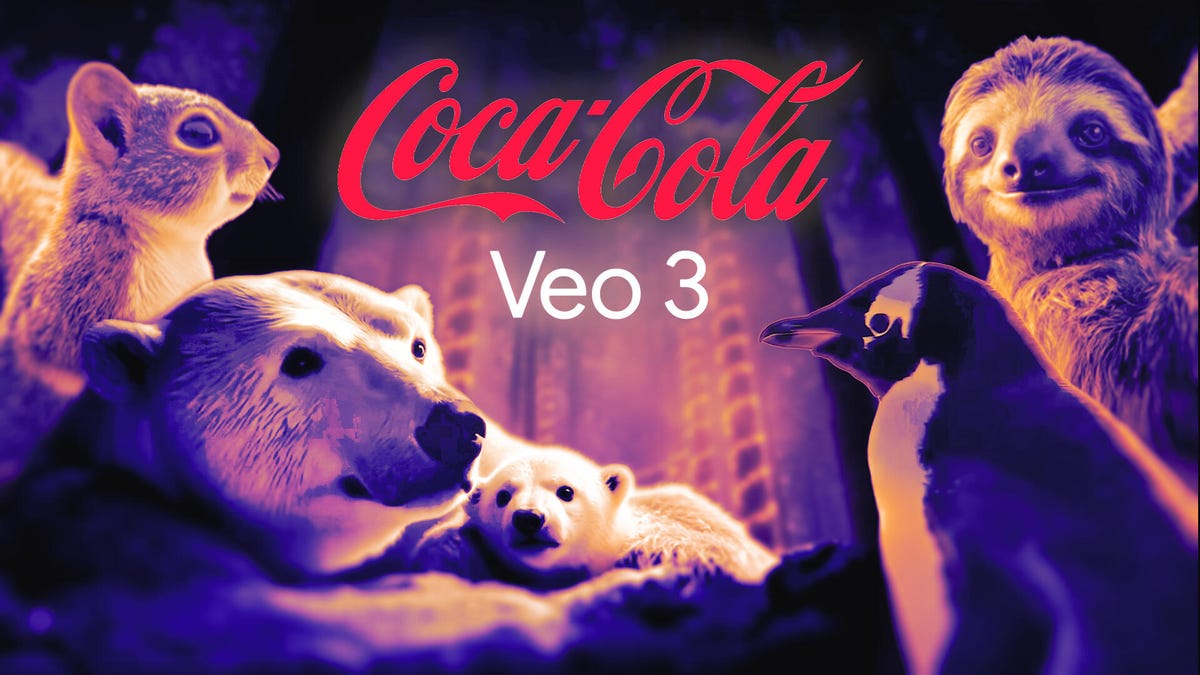
Coca‑Cola’s latest holiday commercial returns to the familiar "The Holidays Are Coming" motif, showing a bright truck winding through a snowy landscape toward a town square illuminated by a Christmas tree. The ad’s standout feature is a series of animal characters—pandas, polar bears, sea lions—created with generative video tools. Observers noted the characteristic AI texture: fur that loses detail toward the back of the animal, exaggerated surprised faces, and perfectly circular mouths that betray computer‑generated origins.
Explicit Disclosure
At the bottom left of the video, a label reads "Created by Real Magic AI," providing an explicit acknowledgment of the technology used. This transparency was highlighted as a positive step, contrasting with other brands that have hidden AI involvement to avoid backlash.
Industry Context and Prior Use
The commercial follows a similar AI‑driven holiday ad from the previous year, underscoring Coca‑Cola’s ongoing experimentation with the technology. The company’s partnership with OpenAI and its agency Publicis Group’s "AI‑first" strategy illustrate a broader corporate push to integrate generative tools into marketing workflows.
Public Reaction and Criticism
Viewers quickly identified the AI artifacts, pointing out inconsistencies in fur texture and the uncanny quality of the animals. While some praised the disclosed labeling, many expressed displeasure, arguing that the brand is normalizing AI content without fully considering audience sentiment. The backlash mirrors earlier controversies involving Guess, J.Crew, and Toys R Us, where AI‑generated models and animals sparked debates about authenticity and creative labor.
Job Displacement Concerns
Critics emphasize that AI‑generated ads may reduce opportunities for animators, designers, and photographers, echoing broader worries about workforce impacts as generative tools become more capable. The conversation extends beyond visual quality to the ethical implications of substituting human creators with algorithms.
Transparency as a Low Bar
Although Coca‑Cola’s upfront label was praised, commentators argue that disclosure alone is insufficient. They call for industry‑wide standards to ensure audiences can reliably distinguish AI‑created content, especially as the technology advances toward indistinguishability from real footage.
Conclusion
The holiday commercial illustrates both the creative possibilities and the cultural tensions surrounding generative AI in advertising. As brands continue to explore AI for efficiency and novelty, the demand for clear labeling and thoughtful consideration of creative labor remains a pivotal challenge.
Used: News Factory APP - news discovery and automation - ChatGPT for Business