Neo Home Humanoid Robot Opens Preorders Ahead of 2026 Launch
Overview of Neo and Its Market Position
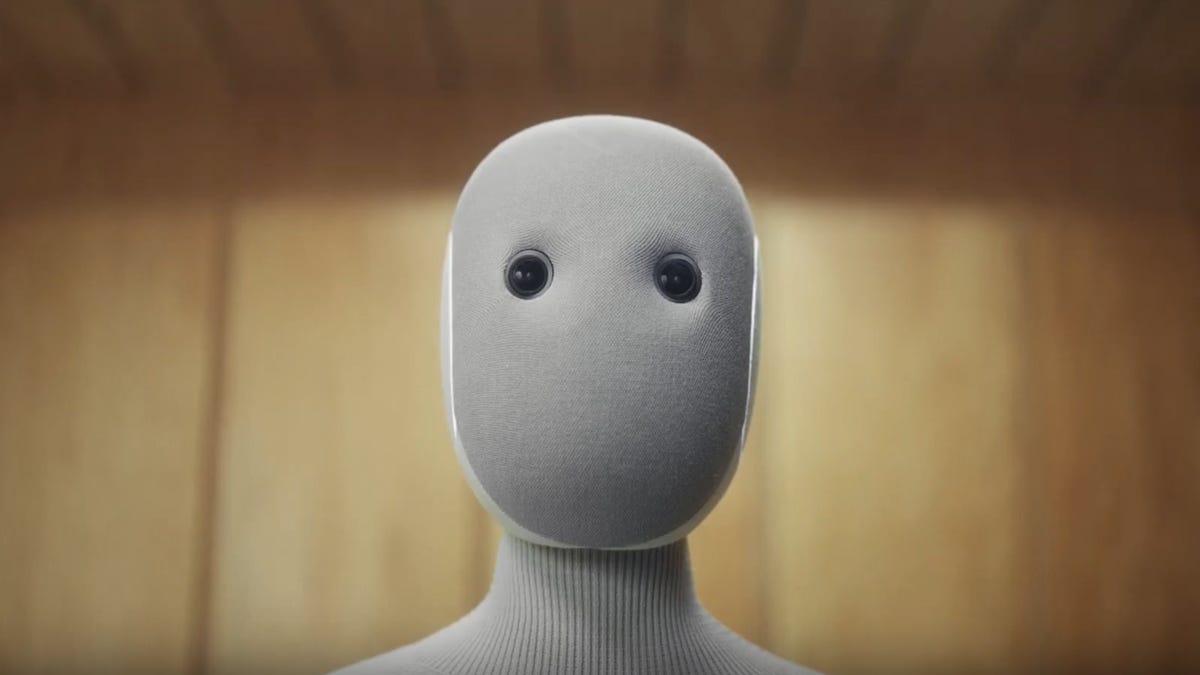
Neo is a consumer‑focused humanoid robot unveiled by 1X, a California‑based technology firm. Priced at $20,000 with an optional $499 monthly subscription, Neo represents a shift from industrial robots toward personal home assistants. The robot stands 5 feet 6 inches tall and weighs roughly the same as a golden retriever, offering a size that is both functional and approachable. Its design emphasizes soft materials and neutral colors, differentiating it from the metallic prototypes of competitors and aiming for a less intimidating presence in domestic settings.
Preorders are now open, with the first units slated to ship in the United States in 2026 and an international rollout expected in 2027. The company projects that Neo will achieve full autonomous operation by that time, though early adopters will experience a blend of autonomous and remotely operated functions.
Capabilities and Operational Model
Neo’s hardware includes a tendon‑driven motor system that provides a smooth, human‑like gait. It can lift up to 154 pounds and carry 55 pounds, enabling it to handle a variety of household chores. The robot’s hands are IP68‑rated, meaning they are submersible and can operate in wet environments. Connectivity options span Wi‑Fi, Bluetooth, and 5G, while an integrated large language model powers conversational interactions similar to ChatGPT and Gemini.
The robot is intended to perform tasks such as folding laundry, running a vacuum, tidying shelves, opening doors, climbing stairs, and even acting as a home entertainment system. Its four‑hour runtime supports short‑term tasks, and users can control Neo primarily through voice commands. However, many of Neo’s functions are currently teleoperated: a human operator uses a virtual‑reality headset and controllers to guide the robot in real time. This remote assistance model allows Neo to complete complex actions while the company continues to develop its autonomous capabilities.
Privacy Measures and User Controls
Neo incorporates several privacy safeguards. The robot listens only when it detects that it is being addressed, and its cameras automatically blur human faces. Users can designate specific areas of the home as off‑limits, preventing Neo from entering or visualizing those zones. Additionally, 1X states that Neo will never be teleoperated without explicit owner approval, reinforcing user consent in remote‑operation scenarios.
To address tasks that Neo cannot yet perform autonomously, the company offers a service where experts can remotely assist the robot while it learns to handle the new chore. This learning process is framed as a partnership between the user and the robot, with the expectation that future software updates will expand Neo’s independent capabilities.
Future Outlook and Industry Reaction
1X’s CEO, Bernt Børnich, has indicated that Neo’s autonomous performance may lag initially but will improve over time, with a target of full autonomy by 2026. The robot’s launch has sparked commentary from industry figures, including John Carmack, who suggested that companies should market the current reality of remote‑operated assistance rather than the promise of fully autonomous household robots.
Neo’s introduction marks a notable step toward bringing advanced humanoid robotics into everyday homes, blending cutting‑edge AI, mechanical design, and user‑focused privacy features. As the product moves from preorder to delivery, its real‑world performance will likely shape consumer expectations for the next generation of domestic robotics.
Used: News Factory APP - news discovery and automation - ChatGPT for Business