What is new on Article Factory and latest in generative AI world

OpenClaw AI Assistant Survives Trademark Dispute, Scams and Security Scrutiny

OpenClaw AI Assistant Survives Trademark Dispute, Scams and Security Scrutiny
OpenClaw, formerly known as Clawdbot and Moltbot, is an open‑source AI assistant that integrates directly into messaging apps to automate tasks, remember conversations, and send proactive reminders. After a rapid rise in popularity, the project faced a trademark challenge from Anthropic, a wave of crypto‑related scams, and several security concerns tied to exposed deployments. Despite these setbacks, the developer has rebranded the tool as OpenClaw, addressed many of the vulnerabilities, and continues to attract interest from developers and early adopters who see it as a glimpse of what a truly personal AI assistant could become. Read more →

Moltbot’s Sudden Rise and Chaotic Rebrand Sparks AI Assistant Craze

Moltbot’s Sudden Rise and Chaotic Rebrand Sparks AI Assistant Craze
Moltbot, the open‑source AI assistant formerly known as Clawdbot, exploded in popularity after a rapid rebrand prompted by a trademark warning from Anthropic. The name change triggered a wave of opportunistic scams, fake cryptocurrency tokens, and social‑media handle hijackings. Despite the turmoil, Moltbot’s promise of a locally run, customizable digital assistant that integrates with messaging platforms such as WhatsApp, Telegram, Discord, iMessage, and Slack has captured the imagination of developers and AI enthusiasts, positioning it as a early example of personal AI automation. Read more →
Court Blocks OpenAI's Use of "Cameo" Branding on Sora App

Court Blocks OpenAI's Use of "Cameo" Branding on Sora App
OpenAI’s social app Sora, which introduced a deep‑fake feature called “Cameo,” faces a temporary restraining order from U.S. District Judge Eumi K. Lee. The order bars OpenAI from using the word “Cameo” and similar terms, after the video‑message platform Cameo asserted its trademark rights. The injunction, issued in November 2025, remains in effect pending a hearing in December, and OpenAI disputes the claim, saying it does not own exclusive rights to the term. Read more →

Neuralink’s Trademark Applications for “Telepathy” and “Telekinesis” Face USPTO Rejection

Neuralink’s Trademark Applications for “Telepathy” and “Telekinesis” Face USPTO Rejection
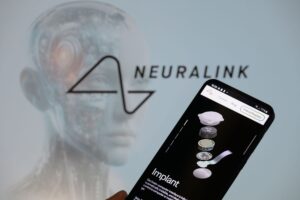
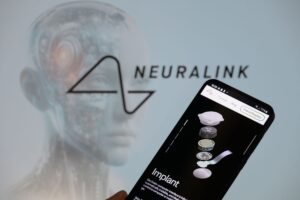
Elon Musk’s Neuralink filed trademark applications for its brain‑computer interface products named Telepathy and Telekinesis. The United States Patent and Trademark Office declined to move the filings forward, citing earlier “intent‑to‑use” applications by computer scientist Wesley Berry and an existing Telepathy Labs trademark. Neuralink has responded to the USPTO’s concerns, but the agency will still need to assess the likelihood of consumer confusion. If Berry’s applications mature into registered marks, Neuralink could be forced to negotiate a purchase, a consent agreement, or face potential infringement action. Read more →

Neuralink’s Trademark Applications for “Telepathy” and “Telekinesis” Face USPTO Rejection

Neuralink’s Trademark Applications for “Telepathy” and “Telekinesis” Face USPTO Rejection
Elon Musk’s Neuralink filed trademark applications for its brain‑computer interface products named Telepathy and Telekinesis. The United States Patent and Trademark Office declined to move the filings forward, citing earlier “intent‑to‑use” applications by computer scientist Wesley Berry and an existing Telepathy Labs trademark. Neuralink has responded to the USPTO’s concerns, but the agency will still need to assess the likelihood of consumer confusion. If Berry’s applications mature into registered marks, Neuralink could be forced to negotiate a purchase, a consent agreement, or face potential infringement action. Read more →

Neuralink’s Trademark Applications for “Telepathy” and “Telekinesis” Face USPTO Rejection

Neuralink’s Trademark Applications for “Telepathy” and “Telekinesis” Face USPTO Rejection
Elon Musk’s Neuralink filed trademark applications for its brain‑computer interface products named Telepathy and Telekinesis. The United States Patent and Trademark Office declined to move the filings forward, citing earlier “intent‑to‑use” applications by computer scientist Wesley Berry and an existing Telepathy Labs trademark. Neuralink has responded to the USPTO’s concerns, but the agency will still need to assess the likelihood of consumer confusion. If Berry’s applications mature into registered marks, Neuralink could be forced to negotiate a purchase, a consent agreement, or face potential infringement action. Read more →

Neuralink’s Trademark Applications for “Telepathy” and “Telekinesis” Face USPTO Rejection

Neuralink’s Trademark Applications for “Telepathy” and “Telekinesis” Face USPTO Rejection
Elon Musk’s Neuralink filed trademark applications for its brain‑computer interface products named Telepathy and Telekinesis. The United States Patent and Trademark Office declined to move the filings forward, citing earlier “intent‑to‑use” applications by computer scientist Wesley Berry and an existing Telepathy Labs trademark. Neuralink has responded to the USPTO’s concerns, but the agency will still need to assess the likelihood of consumer confusion. If Berry’s applications mature into registered marks, Neuralink could be forced to negotiate a purchase, a consent agreement, or face potential infringement action. Read more →

Neuralink’s Trademark Applications for “Telepathy” and “Telekinesis” Face USPTO Rejection

Neuralink’s Trademark Applications for “Telepathy” and “Telekinesis” Face USPTO Rejection
Elon Musk’s Neuralink filed trademark applications for its brain‑computer interface products named Telepathy and Telekinesis. The United States Patent and Trademark Office declined to move the filings forward, citing earlier “intent‑to‑use” applications by computer scientist Wesley Berry and an existing Telepathy Labs trademark. Neuralink has responded to the USPTO’s concerns, but the agency will still need to assess the likelihood of consumer confusion. If Berry’s applications mature into registered marks, Neuralink could be forced to negotiate a purchase, a consent agreement, or face potential infringement action. Read more →