What is new on Article Factory and latest in generative AI world

AI Shifts From Chatbots to World Models: Building Physical Intelligence

AI Shifts From Chatbots to World Models: Building Physical Intelligence
While large language models like ChatGPT and Gemini dominate today’s AI products, industry leaders are turning toward world models that encode the physical world’s laws, objects and movement. These models aim to power realistic video, surgical robots and self‑driving cars, forging a new era of "physical AI." Prominent figures such as Yann LeCun, Fei‑Fei Li and Nvidia’s Jensen Huang are championing spatial intelligence and synthetic data as the foundation for this shift. Leia mais →

Nvidia Unveils Alpamayo: Open‑Source AI Models for Autonomous Vehicles

Nvidia Unveils Alpamayo: Open‑Source AI Models for Autonomous Vehicles
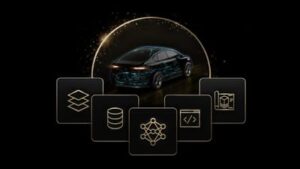
At CES 2026, Nvidia announced Alpamayo, a new family of open‑source AI models, simulation tools, and datasets designed to give autonomous vehicles human‑like reasoning capabilities. Central to the suite is Alpamayo 1, a 10 billion‑parameter vision‑language‑action model that breaks down driving problems into steps, evaluates possibilities, and selects the safest actions. The code is released on Hugging Face, and developers can fine‑tune it, create auto‑labeling systems, or combine real and synthetic data generated by Nvidia’s Cosmos world models. An open dataset of more than 1,700 hours of driving footage and the AlpaSim simulation framework are also available to accelerate safe, large‑scale testing. Leia mais →
AI Shifts From Hype to Pragmatic Deployment in 2026

AI Shifts From Hype to Pragmatic Deployment in 2026
In 2026 the artificial‑intelligence industry is moving from large‑scale hype toward practical applications. Experts highlight a turn toward smaller, fine‑tuned language models, the rise of world models that understand 3D environments, and new standards like the Model Context Protocol that connect AI agents to real‑world tools. Physical AI devices—including smart glasses, wearables, robotics and autonomous vehicles—are set to become mainstream as edge computing and cost‑effective models enable on‑device inference. The overall tone is optimistic, emphasizing AI as an augmenting partner for humans rather than a replacement. Leia mais →

Waymo Expands Robotaxi Service to Freeways Across Key U.S. Cities

Waymo Expands Robotaxi Service to Freeways Across Key U.S. Cities
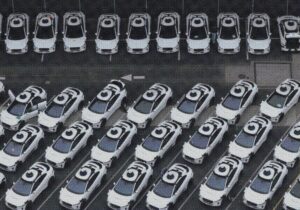
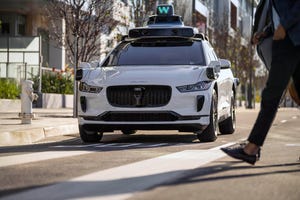
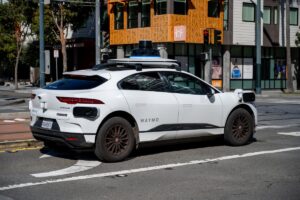
Waymo, the Alphabet subsidiary behind autonomous taxis, announced that its robotaxis can now travel on freeways in the San Francisco Bay Area, Los Angeles and Phoenix. The move adds curbside service at San Jose Mineta International Airport and promises faster trips, such as cutting the San Francisco‑Mountain View ride in half. Waymo’s fleet, already operating in five metros, uses redundant onboard computers, data from private courses and simulations, and works closely with law‑enforcement agencies to handle emergencies. The company also outlined plans to launch in additional U.S. and international markets next year. Leia mais →

New Advocacy Group SAVE‑US Pushes for Stricter Self‑Driving Car Regulations

New Advocacy Group SAVE‑US Pushes for Stricter Self‑Driving Car Regulations
A newly formed advocacy group called Safe Autonomous Vehicles Everywhere in the United States (SAVE‑US) is urging state lawmakers to adopt tougher regulations for autonomous vehicle technology. The group focuses on Tesla's vision‑only approach, calling for clearer disclosures, public crash reporting, and the use of multiple sensor types. Led by physicist Shua Sanchez and former Zoox engineer Bob Somers, SAVE‑US aims to influence legislation in large states such as Illinois, New York, and New Jersey. The effort comes amid a federal investigation of Tesla’s Full Self‑Driving software and broader concerns about safety standards across the industry. Leia mais →

NHTSA Opens Investigation into Tesla Full Self-Driving Traffic Violations

NHTSA Opens Investigation into Tesla Full Self-Driving Traffic Violations
The National Highway Traffic Safety Administration has launched an investigation into more than 2.8 million Tesla vehicles equipped with the Full Self-Driving (FSD) system. The probe focuses on traffic safety incidents, including red‑light violations, wrong‑way travel, and railroad‑crossing failures, encompassing 58 reported events, 14 crashes and 23 injuries. The inquiry arrives as Tesla seeks regulatory approval for its robotaxi service. Leia mais →

Tesla Pushes Drivers to Activate Full Self-Driving Amid Safety Concerns

Tesla Pushes Drivers to Activate Full Self-Driving Amid Safety Concerns
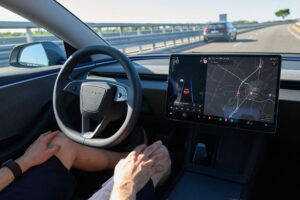
Tesla’s latest software update adds in‑car prompts that tell drivers who appear drowsy or drifting to activate the Full Self‑Driving (FSD) feature. While the automaker argues the messages are meant to keep drivers focused, safety experts warn that encouraging reliance on a supervised system during moments of inattention could increase risk. The move comes as Tesla faces ongoing legal scrutiny over its driver‑assistance claims and continues to position FSD as a cornerstone of its autonomous‑vehicle strategy. Leia mais →

Tesla’s Robotaxi Plans Raise Regulatory Concerns

Tesla’s Robotaxi Plans Raise Regulatory Concerns
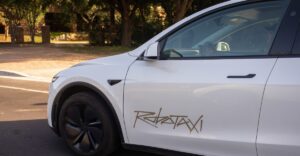
Tesla’s effort to roll out a robotaxi service in California has sparked confusion among state regulators. Although the company touts a driver‑less future, the vehicles currently operating have safety drivers and lack the required permits for fully autonomous testing or commercial use. Emails between Tesla and officials reveal a back‑and‑forth over clarifying the service’s true nature, with the automaker avoiding direct answers. Regulatory agencies, including the California DMV and the NHTSA, note that Tesla has not applied for the necessary authorizations, intensifying scrutiny of the company’s autonomous‑vehicle roadmap. Leia mais →

Runway Targets Robotics and Autonomous Vehicles with AI Simulation Technology

Runway Targets Robotics and Autonomous Vehicles with AI Simulation Technology
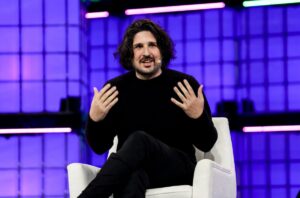
Runway, the New York‑based AI visual‑generation company, is expanding beyond entertainment into robotics and self‑driving car markets. After seven years developing world‑model video and photo generators, the company has attracted interest from robotics firms seeking cost‑effective training simulations. Co‑founder and CTO Anastasis Germanidis says Runway will fine‑tune its existing models for these industries and build a dedicated robotics team, while investors such as Nvidia, Google and General Atlantic back the effort. Leia mais →

Waymo Expands Robotaxi Service to Denver and Seattle with Jaguar I-Pace and Zeekr Vans

Waymo Expands Robotaxi Service to Denver and Seattle with Jaguar I-Pace and Zeekr Vans
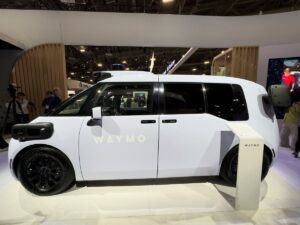
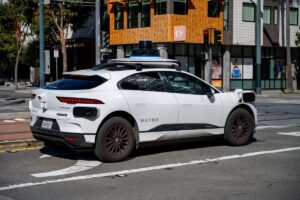
Waymo announced that it will introduce its Jaguar I-Pace SUV and Zeekr‑made van to Denver and Seattle this week, initially operating the vehicles manually before commencing autonomous testing. The company aims to launch robotaxi trips in Denver next year and in Seattle as soon as regulatory approval is granted. The move adds two extreme‑weather cities to Waym o’s growing U.S. footprint, which already includes more than 2,000 robotaxis nationwide and plans for further commercial launches in Dallas, Miami and Washington, D.C. Leia mais →

Tesla’s Fourth Master Plan Criticized for Vague Goals and Unmet Promises

Tesla’s Fourth Master Plan Criticized for Vague Goals and Unmet Promises
Tesla unveiled its fourth “Master Plan,” outlining ambitions to lead in humanoid robots, sustainable energy and autonomous services. Critics say the document lacks concrete details, repeating broad language without measurable targets. The plan follows earlier master plans that promised specific products such as a solar‑roof‑with‑battery, compact SUVs, a semi‑truck, a pickup and an electric bus, many of which remain unrealized or in limited testing. Observers note that while Tesla is experimenting with an invite‑only robotaxi service, safety monitors still ride in the passenger seat, highlighting the gap between the vision and current capabilities. Leia mais →

Waymo Accelerates Global Expansion with New City Rollouts and Next‑Gen Vehicles

Waymo Accelerates Global Expansion with New City Rollouts and Next‑Gen Vehicles
Waymo, Alphabet’s autonomous‑driving unit, is rapidly extending its robotaxi service across the United States and abroad. The company announced upcoming operations in Denver and Seattle, early testing in Dallas, and a renewed presence in New York City with autonomous pilots in Manhattan and downtown Brooklyn. Waymo also outlined plans for Washington, DC, and Miami in 2026, while continuing its Tokyo pilot with local taxi partners. New vehicle partnerships—including Jaguar I‑Pace, Zeekr RT, Hyundai Ioniq 5, and a sixth‑generation driver system—are set to broaden the fleet’s capabilities, especially in challenging weather and freeway environments. Leia mais →

Waymo Secures Permit to Launch Robotaxi Service at San Jose Airport

Waymo Secures Permit to Launch Robotaxi Service at San Jose Airport
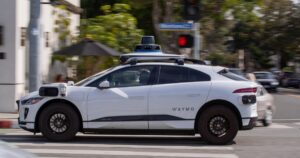
Waymo has received clearance to begin testing robotaxi (autonomous) rides at San Jose Mineta International Airport, marking its first airport service in California. The company plans to move from testing to commercial rides later this year. Waymo previously opened curbside service at Phoenix’s Sky Harbor Airport and expanded to 24/7 operation, reporting hundreds of thousands of trips. Its fleet now exceeds 2,000 vehicles across multiple U.S. markets, and the firm continues to announce expansion to additional cities including Denver, Seattle, Dallas, Miami, Washington, D.C., and New York City. Leia mais →

Tesla Opens Robotaxi iPhone App to All U.S. Users

Tesla Opens Robotaxi iPhone App to All U.S. Users
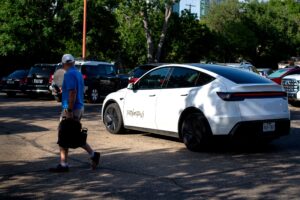
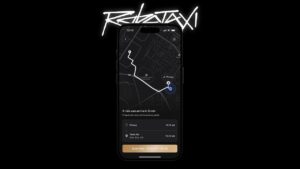
Tesla has made its Robotaxi smartphone app available to anyone with an iPhone in the United States, allowing users to join a waitlist for the autonomous ride‑hailing service. Android support is slated for later, and the company has shifted its safety monitor from the passenger seat to the driver’s seat as it expands its geofenced operating area in Austin and the San Francisco Bay Area. Leia mais →

Uber and Momenta to Test Autonomous Robotaxis in Munich Starting 2026

Uber and Momenta to Test Autonomous Robotaxis in Munich Starting 2026
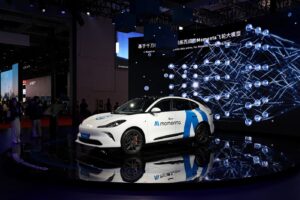
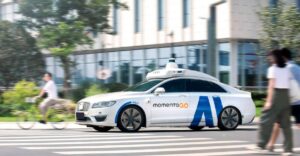
Ride‑hailing giant Uber and Chinese autonomous‑vehicle startup Momenta announced plans to launch robotaxi testing in Munich, Germany, beginning in 2026. The partnership will initially involve human safety operators on board while the vehicles operate in geo‑fenced zones, marking Momenta’s first‑ever deployment in Europe. Uber aims to expand the service to other markets, positioning the collaboration against competing AV initiatives from other ride‑hailing firms. Both companies will need to satisfy German regulators before commercial rollout. Leia mais →

Uber and Momenta to Test Robotaxis in Europe

Uber and Momenta to Test Robotaxis in Europe
Uber has partnered with Chinese autonomous‑vehicle firm Momenta to launch a robotaxi pilot in Munich, Germany. The service, slated for 2026, will use Momenta's Level 4 self‑driving technology integrated with Uber’s ride‑sharing platform. Safety drivers will initially be on board while the companies seek German certification for geofenced operations. The move follows a wave of autonomous‑vehicle testing across Europe and reflects Uber’s shift toward partnerships after ending its own self‑driving car program. Leia mais →

Uber and Momenta to Test Fully Driverless Level‑4 Robotaxis in Germany

Uber and Momenta to Test Fully Driverless Level‑4 Robotaxis in Germany
Uber has partnered with Shanghai‑based autonomous‑driving firm Momenta to conduct Level 4 driverless robotaxi trials in Munich. The collaboration will see Momenta’s self‑driving vehicles operating without safety drivers within a defined geographic area, marking a significant step for Europe’s nascent robotaxi market. Momenta, backed by investors such as SAIC Motor, GM, Toyota, Mercedes‑Benz and Bosch, currently supplies driver‑assist software to several automakers. The test is slated to begin in the coming years, with the aim of expanding the service to other European cities if successful. Leia mais →

Waymo Secures Permit to Test Autonomous Vehicles at San Francisco International Airport

Waymo Secures Permit to Test Autonomous Vehicles at San Francisco International Airport
Waymo has obtained a Testing and Operations Pilot Permit from San Francisco International Airport (SFO), allowing the autonomous‑vehicle company to begin a three‑phase testing program at the airport. The agreement follows years of negotiations and follows recent clearance to test at nearby San Jose Mineta International Airport. The permit will let Waymo initially operate its driver‑less cars with a trained specialist onboard, later expand to employee passenger trials, and eventually offer paid rides in the airport’s Kiss & Fly area. Waymo sees SFO as a key step toward broader commercial service and further expansion in the Silicon Valley region. Leia mais →

Waymo Plans Robotaxi Launch in Nashville by 2026

Waymo Plans Robotaxi Launch in Nashville by 2026
Waymo is preparing to bring its autonomous robotaxis to Nashville, with initial testing slated for the coming months and full public service expected by 2026. Riders will be able to request rides through the Waymo app, and Lyft will eventually match its users with Waymo vehicles in the city. The company already operates driverless fleets in five U.S. markets and is expanding its footprint to include Denver, Seattle, Miami and Washington, D.C., while also securing test permissions in New York City and conducting early trials in Tokyo with human‑driven cars. Leia mais →

Waymo and Lyft Team Up to Launch Robotaxi Service in Nashville

Waymo and Lyft Team Up to Launch Robotaxi Service in Nashville
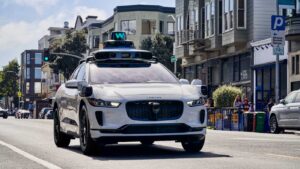
Waymo announced a partnership with Lyft to bring a robotaxi service to Nashville, planning to test a fleet of all‑electric Jaguar I‑Pace vehicles before opening the service to the public. Lyft will handle fleet services through its Flexdrive subsidiary and invest in a dedicated autonomous‑vehicle facility. Riders will initially hail rides via the Waymo app, with future integration into the Lyft app. The arrangement mirrors Waymo’s earlier collaborations but differs from its Uber partnership, where customers must use the Uber app for robotaxi rides. Leia mais →