Pezy Computing Unveils Massive MIMD Processor, the SC4s, on TSMC’s 5nm Node
Pezy Computing’s Strategic Shift to MIMD
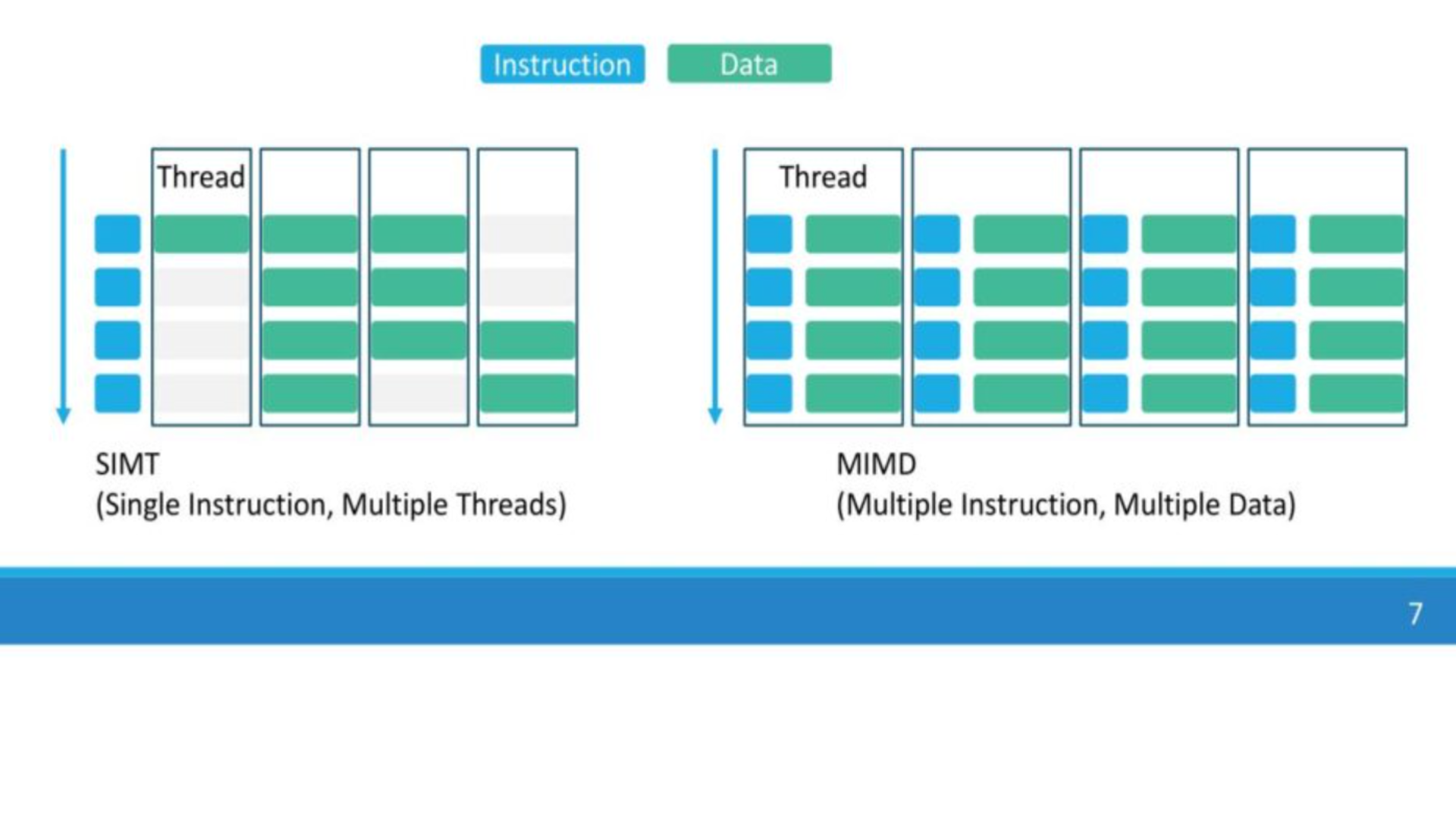
At a recent industry showcase, the Japanese firm Pezy Computing introduced the SC4s processor, marking a clear departure from the industry‑wide focus on Single Instruction Multiple Data (SIMD) architectures. Instead, Pezy is championing Multiple Instructions Multiple Data (MIMD), a design philosophy that treats each core as a semi‑autonomous unit, akin to a collection of states, prefectures, cities, and villages that act independently rather than following a single central authority.
Physical Characteristics and Manufacturing
The SC4s is built on TSMC’s 5nm process and is notable for its unusually large physical footprint. The die measures around 556 mm², making it considerably larger than most consumer or workstation processors. Pezy’s emphasis is not on minimizing silicon area but on testing whether massive parallelism can outweigh the cost of a larger die.
Projected Performance Gains
Pezy released simulation data rather than silicon benchmarks. Compared with its predecessor, the SC3, the SC4s is projected to deliver more than double the power efficiency on a dense matrix multiplication workload (DGEMM). In another simulation, the processor achieved nearly a four‑fold performance increase on the Smith‑Waterman algorithm, a key component of genome‑sequence alignment.
Design Philosophy and Market Outlook
The company argues that future workloads will increasingly demand independent thread handling, making MIMD‑based designs more suitable for specialized domains. While the approach may be impractical for broad consumer adoption, Pezy believes that certain high‑performance niches can justify the scale of hundreds or thousands of independent cores.
Future Roadmap
Even as the SC4s remains under development, Pezy is already looking ahead to a fifth‑generation processor, tentatively called Pezy 5. This successor is expected to move to a 3nm or smaller process node, with a tentative release window set for 2027. Industry observers note that such timelines often shift due to technical and economic challenges.
Industry Skepticism and Validation
Because the performance claims are based on simulations, independent testing will be essential to validate the projected gains. Historically, bold projections in semiconductor development have not always aligned with measured results once hardware ships, prompting cautious optimism among analysts.
Used: News Factory APP - news discovery and automation - ChatGPT for Business