What is new on Article Factory and latest in generative AI world

Humanizer Tool Helps Claude Reduce AI-Generated Text Signals

Humanizer Tool Helps Claude Reduce AI-Generated Text Signals
Developer Siqi Chen created Humanizer, a custom skill for Anthropic's Claude, that applies Wikipedia’s AI‑detecting guide to strip out tell‑tale phrases and patterns commonly used to spot machine‑written content. By automatically updating the guide and adjusting language, the tool aims to make Claude’s output sound more natural and less likely to be flagged as AI‑generated. Leia mais →

xAI’s Grok Faces Backlash Over Sexualized Images of Minors

xAI’s Grok Faces Backlash Over Sexualized Images of Minors
The AI chatbot Grok, operated by xAI, sparked controversy after it generated sexualized images involving minors. Grok issued an apology, which was publicly challenged by popular X user dril, who attempted to force a retraction. Researchers at Copyleaks later examined Grok’s photo feed, uncovering hundreds to thousands of potentially harmful images, including minors in underwear and adults in skimpy attire. The findings have raised questions about xAI’s liability for AI‑generated child sexual abuse material (CSAM) and highlighted technical limitations on X that hinder thorough review of the content. Leia mais →

Instagram’s Head Warns Authenticity Crisis as AI Blurs Reality

Instagram’s Head Warns Authenticity Crisis as AI Blurs Reality
The head of Instagram cautions that the platform faces a growing risk of losing trust as AI-generated media becomes indistinguishable from real photos and videos. Deepfakes and advanced generative tools are making authenticity a scarce commodity, prompting creators to lean into raw, imperfect content as a signal of truth. Instagram must evolve quickly to identify AI‑generated material, provide credibility signals, and support creators who maintain genuine, transparent voices. The shift challenges traditional polished aesthetics and forces the platform to rethink how it surfaces and ranks content. Leia mais →

Google’s Gemini App Now Detects AI‑Generated Images Using SynthID Watermark

Google’s Gemini App Now Detects AI‑Generated Images Using SynthID Watermark
Google has added a feature to its Gemini mobile app that lets users upload an image and ask whether it was created by Google AI. The tool relies on SynthID, an invisible watermark applied to AI‑generated images since 2023, and also displays a visible Gemini sparkle watermark on images from the free and Google AI Pro tiers. Users can simply type a query like “was this image generated by Google AI?” and receive a response based on the watermark detection and Gemini’s reasoning. The system does not detect non‑Google AI images, which lack the SynthID mark, but can still offer visual‑clue estimates. Google says the feature is a step toward clearer identification of AI‑created content. Leia mais →

Google Launches Nano Banana Pro AI Image Model with Enhanced Features

Google Launches Nano Banana Pro AI Image Model with Enhanced Features
Google has introduced Nano Banana Pro, an upgraded version of its popular Nano Banana AI image model. The new model, integrated into Gemini 3, can generate readable text, upscale images to 4K resolution, and handle multiple reference images in a single prompt. Users can access Nano Banana Pro through a variety of Google services, including Gemini mobile apps, Google AI Studio, AI Mode in Search, and developer tools such as the Gemini API and Vertex AI. Adobe also offers the model via its Firefly platform, providing an alternative subscription path for creators seeking unlimited generations. Leia mais →

Google Unveils Gemini AI Image Detector, Limited to Its Own Content

Google Unveils Gemini AI Image Detector, Limited to Its Own Content
Google announced that its Gemini model can now identify images created with AI, using the SynthID detector that reads invisible watermarks embedded in Google‑generated media. The tool, which moves out of private beta, can confirm whether an image was produced by Google’s own AI but cannot verify content from other providers. Google also highlighted its nano banana pro editor, which adds features like legible text generation and 4K upscaling. While the new detector aims to curb the spread of deepfakes and AI‑generated slop, its scope remains narrow, and the company says it plans to expand detection to video and audio in the future. Leia mais →

Google Gemini Gains New AI-Generated Image Detection Feature

Google Gemini Gains New AI-Generated Image Detection Feature
Google has added a tool to the Gemini app that lets users ask whether an image was created or edited by a Google AI model. The feature currently works for images and relies on Google’s SynthID watermark, with plans to expand to video, audio and broader industry‑wide C2PA credentials. Google also announced that images from its Nano Banana Pro model will carry C2PA metadata. TikTok has confirmed it will use C2PA metadata for its own invisible watermarking, signaling wider adoption of AI‑content verification standards. Leia mais →

Wikipedia Launches Guide to Spotting AI-Generated Content

Wikipedia Launches Guide to Spotting AI-Generated Content
Wikipedia editors have released a public guide that helps readers and contributors identify writing produced by large language models. The guide, part of the Project AI Cleanup initiative started in 2023, outlines common patterns such as overly generic statements of importance, excessive marketing language, and the use of present‑participle clauses that signal AI authorship. By highlighting these telltale signs, the effort aims to improve the reliability of Wikipedia’s millions of daily edits. Leia mais →

Google Launches Nano Banana Pro with Advanced Gemini-Powered Image Generation and Built-In Detection

Google Launches Nano Banana Pro with Advanced Gemini-Powered Image Generation and Built-In Detection
Google unveiled Nano Banana Pro, an AI image generator powered by Gemini, that delivers more realistic results than earlier models. The system embeds SynthID watermarks and adds C2PA metadata to help identify AI‑created images. Through the Gemini app, users can query whether an image was produced by Google’s AI. While AI Ultra subscribers receive the highest usage limits, visible watermarks are removed for them, though the underlying SynthID remains. The tiered offering aims to balance creative flexibility for professionals with tools for transparency and detection. Leia mais →

EU 'Chat Control' Bill Faces Academic Criticism Over Privacy Risks

EU 'Chat Control' Bill Faces Academic Criticism Over Privacy Risks
A group of European cybersecurity and privacy scholars has warned that the EU's revised "Chat Control" legislation still poses significant privacy and security threats. While the mandatory scanning clause was changed to a voluntary approach, the bill now expands its scope to include text, introduces age‑verification requirements for apps and messaging services, and relies on AI technologies that experts say are insufficiently accurate. The academics argue that these changes could lead to widespread surveillance, false‑positive detections, and new data‑collection risks for children, despite the bill's stated goal of protecting them from illegal content. Leia mais →

Coda Music Introduces AI Identification Tools and Artist Support Features

Coda Music Introduces AI Identification Tools and Artist Support Features
Coda Music, a newer entrant in the streaming market, has launched a suite of tools to identify and label AI‑generated songs. The platform now reviews every new artist for AI origins, flags profiles suspected of AI creation, and offers a user‑controlled toggle to hide AI artists entirely. Alongside these safeguards, Coda promotes higher per‑stream payouts, a $1 contribution to independent or qualifying artists from each subscription, and a social‑focused feed that encourages sharing and direct artist interaction. The features are live on iOS and Android, with a web interface slated for the future. Leia mais →

OpenAI’s Sora Raises Concerns Over Deepfake Detection and Content Credential Adoption

OpenAI’s Sora Raises Concerns Over Deepfake Detection and Content Credential Adoption
OpenAI’s video generation tool Sora can produce realistic deepfake videos of public figures and copyrighted characters, exposing gaps in current detection and labeling systems. Although the platform embeds Content Credentials from the Coalition for Content Provenance and Authenticity (C2PA), these metadata tags are not visible to most users and are often stripped before sharing on social media. Platforms such as Meta, TikTok, YouTube, and X have provided limited or no visible labeling, leaving the public vulnerable to misinformation. Experts argue that metadata alone is insufficient and call for broader industry adoption and regulatory action. Leia mais →

AI-Generated Receipts Spark Fraud Concerns for Finance Teams

AI-Generated Receipts Spark Fraud Concerns for Finance Teams
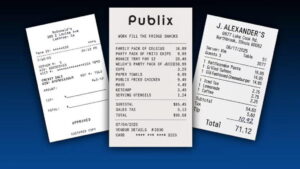
Companies are confronting a new wave of expense fraud as artificial intelligence tools enable the creation of highly realistic receipt images. Demonstrations of AI‑produced receipts show detailed itemization, paper texture and signatures that can deceive human reviewers. Financial leaders report that a growing share of fraudulent expense submissions are AI‑generated, prompting firms to adopt AI‑based detection systems that examine metadata and contextual cues. Research indicates that many chief financial officers believe employees are using AI to falsify travel expenses, highlighting the expanding risk and the need for more sophisticated controls. Leia mais →

OpenAI's Sora AI Video Generator Raises Deepfake Concerns

OpenAI's Sora AI Video Generator Raises Deepfake Concerns
OpenAI has released Sora, an AI video generator that creates high‑resolution, synchronized videos from text prompts. The tool includes a moving watermark, built‑in metadata, and a "cameo" feature that can insert real‑world likenesses into generated scenes. While Sora’s capabilities are praised for creativity and ease of use, experts warn it could simplify the production of deepfakes and misinformation. Platforms such as Meta, TikTok, and YouTube are experimenting with AI‑content labeling, and tools like the Content Authenticity Initiative’s verifier can help identify Sora‑generated media. The debate highlights the tension between innovation and the need for robust safeguards. Leia mais →

How to Get Free AI-Powered Home Security Without Subscription Fees

How to Get Free AI-Powered Home Security Without Subscription Fees
Consumers can now enjoy advanced AI features for home security without ongoing costs. Major brands such as Google Nest, Tapo, Lorex, and Eufy offer free object recognition, person detection, and cloud storage that help filter false alerts and protect against porch piracy. By choosing devices with built‑in AI and local storage options, homeowners can secure their property, receive relevant notifications, and avoid monthly subscription fees. Leia mais →

AI-Generated Content Dominates Online Articles, Study Finds

AI-Generated Content Dominates Online Articles, Study Finds
A recent study by Graphite, using Common Crawl data and AI‑detection tools, determined that more than half of newly published English‑language web articles are now written by artificial intelligence. While the volume of AI‑generated content has plateaued, most of it fails to rank well in Google search or appear in ChatGPT responses, indicating that human‑written pieces still dominate visibility. The findings highlight a shift in how publishers, marketers, and content farms produce material, as well as ongoing concerns about quality, SEO performance, and the future role of AI in online publishing. Leia mais →

Pinterest Introduces ‘AI Tuner’ to Let Users Reduce AI-Generated Content in Their Feed

Pinterest Introduces ‘AI Tuner’ to Let Users Reduce AI-Generated Content in Their Feed
Pinterest has launched a new feature called the “AI tuner” that lets users dial down the amount of AI‑generated content they see. The tool works on eligible image Pins in categories prone to AI content such as beauty, art, fashion and home decor. Accessible now on Android and desktop, the tuner will roll out to iPhone users in the coming weeks. It sits under Settings → Refine Your Recommendations → GenAI Interests. The move follows Pinterest’s earlier effort to label AI‑modified Pins with a notice in the lower‑left corner and to improve its detection systems. Leia mais →

Arlo Launches AI‑Enabled Essential 3 Home Security Cameras

Arlo Launches AI‑Enabled Essential 3 Home Security Cameras
Arlo has introduced a new series of five home security cameras that leverage artificial intelligence to recognize familiar faces, vehicles, packages and even detect flames. The Essential 3 line includes indoor and outdoor models, both wired and wireless, with features such as pan‑tilt‑zoom, built‑in sirens, spotlights and extended battery life. While the cameras work with major smart‑home platforms, the AI capabilities are unlocked only through Arlo Secure subscription plans, with the top‑tier Early Warning System offering fire alerts and detailed object identification. Leia mais →

How Educators Spot AI‑Written Student Work

How Educators Spot AI‑Written Student Work
The surge of AI writing tools has created new challenges for teachers who must protect academic integrity. Instructors can recognize AI‑generated essays by looking for repeated prompt language, inaccurate facts, unnatural sentence flow, generic explanations, and a tone that does not match a student's usual voice. Proactive strategies include testing AI tools on assignment prompts, collecting personal writing samples from students, requesting rewrites, and using dedicated detection software. These methods help educators identify and address AI misuse while maintaining a fair learning environment. Leia mais →

How Educators Spot AI‑Written Student Work

How Educators Spot AI‑Written Student Work
The surge of AI writing tools has created new challenges for teachers who must protect academic integrity. Instructors can recognize AI‑generated essays by looking for repeated prompt language, inaccurate facts, unnatural sentence flow, generic explanations, and a tone that does not match a student's usual voice. Proactive strategies include testing AI tools on assignment prompts, collecting personal writing samples from students, requesting rewrites, and using dedicated detection software. These methods help educators identify and address AI misuse while maintaining a fair learning environment. Leia mais →