What is new on Article Factory and latest in generative AI world

Carbon Robotics Unveils Large Plant Model AI for Real‑Time Weed Identification

Carbon Robotics Unveils Large Plant Model AI for Real‑Time Weed Identification
Seattle‑based Carbon Robotics introduced the Large Plant Model (LPM), an artificial‑intelligence system that can instantly recognize plant species across farms. Powered by more than 150 million photos collected from over 100 farms in 15 countries, the model allows farmers to direct the company’s LaserWeeder robots to eliminate weeds without the need for new data labeling or retraining. The update arrives via software, giving users real‑time control over what the robots target. The breakthrough builds on the company’s existing AI platform and follows years of neural‑network development by its founder, who previously worked at Uber and Meta. Leia mais →

AI Chip Startup Ricursive Intelligence Secures $300 Million Series A at $4 Billion Valuation

AI Chip Startup Ricursive Intelligence Secures $300 Million Series A at $4 Billion Valuation
Ricursive Intelligence, an artificial‑intelligence chip design startup founded by former Google researchers, announced a $300 million Series A funding round that values the company at $4 billion. Backed by Lightspeed and a roster of other venture firms, the round brings the startup’s total capital raised to $335 million. Ricursive’s technology uses reinforcement learning to autonomously create and refine silicon substrate layers, a process the founders say could accelerate AI chip development toward artificial general intelligence. Leia mais →

Microsoft Announces Breakthrough AI Chip Cooling Technology

Microsoft Announces Breakthrough AI Chip Cooling Technology
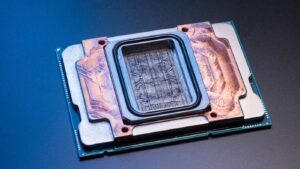
Microsoft says it has achieved a breakthrough in cooling AI processors by using a micro‑fluidic system that channels coolant through tiny etched channels on the chip. The approach, which the company claims can deliver up to three times better cooling and cut silicon temperature rise by roughly 65 percent, could enable higher performance, tighter server packing and modest sustainability gains. Microsoft highlights the potential for more aggressive overclocking, reduced data‑center latency and improved waste‑heat utilization, positioning the innovation as a step toward more efficient AI workloads. Leia mais →